- Swedish massage is the best starting point for most people — gentle pressure, full-body relaxation, no experience needed.
- Deep tissue and trigger point work on chronic pain and tight muscles; expect firmer pressure and possible soreness the next day.
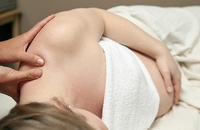
- Hot stone, prenatal, and reflexology serve specific needs — heat therapy, pregnancy relief, and foot-focused relaxation respectively.
- Sports and Thai massage suit active people — both improve flexibility and recovery, but Thai is done fully clothed with stretching rather than hands-on kneading.
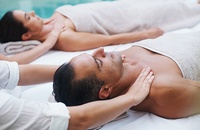
- Couples massage is any style done side by side — the massage type matters more than the "couples" label.
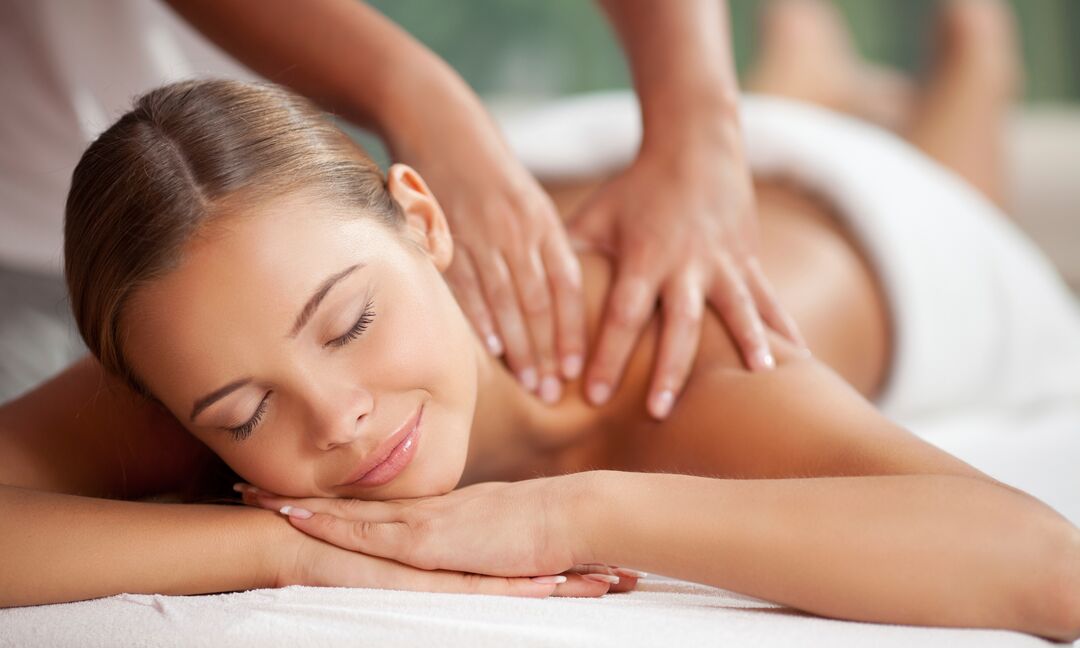
Your body is pretty good at telling you it needs a massage. What it's less good at is telling you which type. Swedish? Deep tissue? Something with hot stones? If you've ever stared at a spa menu and picked at random, you're not alone.
The differences between massage styles matter more than most people realise — the wrong choice can leave you sore when you wanted to relax, or too light-touch when you needed real relief. This guide breaks down 11 types of massage, who each one is actually for, and how to find a deal on whichever one fits.
The 11 Types of Massage Explained
Swedish Massage
The one most people picture when they think "massage." Therapists use long gliding strokes, gentle kneading, and circular movements across the full body. The goal is relaxation — it works on surface-level muscle tension rather than deep structural issues. Aromatherapy is often added.
Deep Tissue Massage
Where Swedish skims the surface, deep tissue goes further — targeting the deeper layers of muscle and the connective tissue (fascia) beneath. Therapists use slower strokes and more concentrated pressure to work through chronic tension. It can feel uncomfortable in the moment, and mild soreness the next day is normal.
Hot Stone Massage
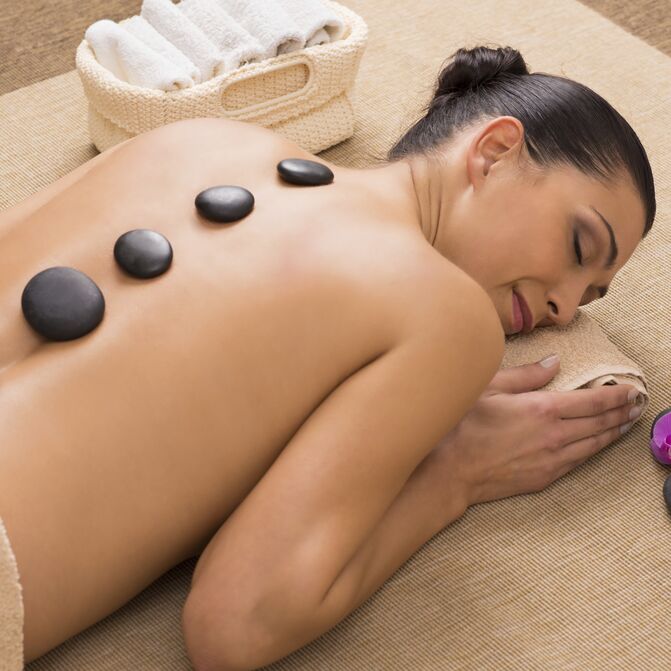
The therapist places smooth heated basalt stones along the back and uses them — alongside their hands — to work through tension. The heat penetrates more deeply than hands alone can, loosening tight areas before the therapist applies pressure. It's less about intensity and more about using warmth to do the heavy lifting.
Sports Massage
A more targeted variation of Swedish that focuses on the muscle groups most stressed by an athlete's specific activity. Therapists often work specific limbs or regions rather than the full body, and incorporate stretching alongside hands-on work. It's used both before events (to warm up) and after (to speed recovery).
Shiatsu Massage
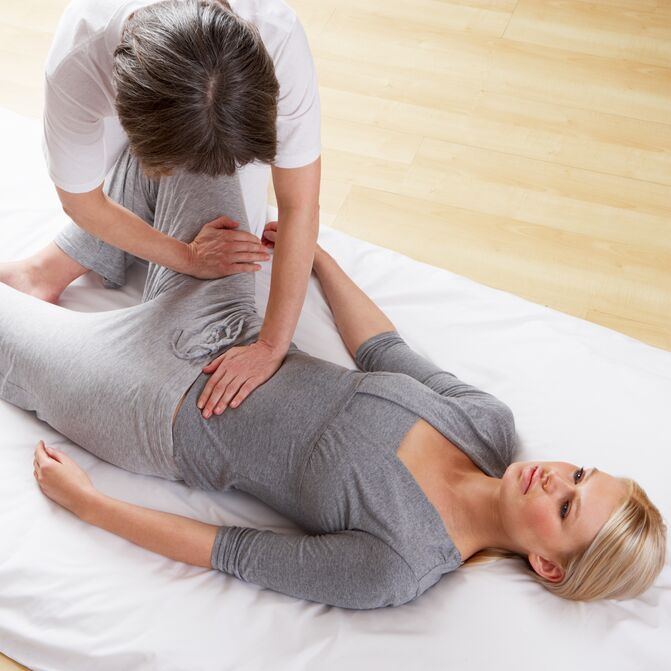
A Japanese technique rooted in traditional Chinese medicine. Therapists apply rhythmic pressure along the body's meridian lines using thumbs, fingers, elbows, knees, and sometimes feet. The aim is to release energy blockages and restore balance. Unlike most Western massage styles, you stay fully clothed and lie on a floor mat rather than a table.
Trigger Point Massage
Where deep tissue works across broad areas of tension, trigger point focuses on specific "knots" — hyperirritable spots in muscle that refer pain to other parts of the body. The therapist applies direct pressure to these points until the tension releases. It can be uncomfortable (sometimes quite a lot), but the targeted relief is often significant.
Couples Massage
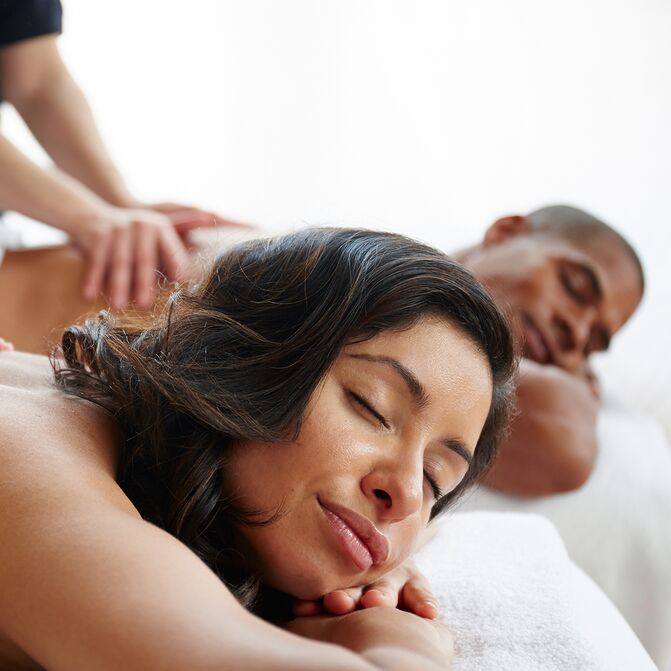
Two people receive massages simultaneously in the same room, each with their own therapist. Swedish is the default style, but most spas let you request different types for each person. The "couples" label is really just about the shared experience — it's equally popular with friends, siblings, and mothers and daughters as it is with romantic partners.
Prenatal Massage
Specifically designed for expecting mothers, using positioning and techniques adapted for pregnancy. Rather than lying face-down, clients lie on their side or on a specially designed table with a recessed section. Therapists are trained to avoid pressure points that can cause complications and to focus on areas most affected by pregnancy — lower back, hips, and legs.
Reflexology
A specialised foot treatment based on the principle that specific points on the feet correspond to organs and systems throughout the body. Practitioners apply pressure to these mapped points to stimulate them. Even if you're sceptical of the theory, reflexology is genuinely effective as a foot massage — and feet tend to hold a lot of unaddressed tension.
Thai Massage
Often called "yoga massage," Thai massage involves the therapist moving your body through a series of assisted stretches while applying pressure along energy lines. You stay fully clothed in loose, comfortable clothing and lie on a floor mat. It's more active than most massage styles — less relaxing in the traditional sense, more invigorating.
Foot Massage
Exactly what it sounds like — a dedicated massage focused on the feet and often the lower legs. Unlike reflexology, a traditional foot massage isn't based on meridian mapping; it simply addresses tension and fatigue in the feet through kneading, stroking, and targeted pressure. Quick, accessible, no undressing required.
Quick Comparison: All 11 Types at a Glance
| Type | Pressure | Clothed? | Best for |
|---|---|---|---|
| Swedish | Light–medium | No | Relaxation, first-timers |
| Deep tissue | Firm–intense | No | Chronic pain, stubborn tension |
| Hot stone | Light–medium | No | Heat therapy, hard-to-loosen knots |
| Sports | Medium–firm | Sometimes | Athletes, repetitive-motion tension |
| Shiatsu | Medium–firm | Yes | Stress, energy balance |
| Trigger point | Firm–intense | No | Localised pain, sciatica, joint issues |
| Couples | Your choice | Depends | Shared experience |
| Prenatal | Light–medium | No | Pregnancy discomfort |
| Reflexology | Light–medium | Yes (feet) | Foot tension, holistic wellness |
| Thai | Medium–firm | Yes | Flexibility, stiffness |
| Foot massage | Light–medium | Yes (feet) | Tired, achy feet |
Not Sure Which to Pick? Start Here
Gentle, full-body, no surprises. The right starting point for almost everyone.
For pain that radiates from one place. Deep tissue if it's more spread out.
Targets the muscle groups you actually use. Thai is a good alternative for flexibility.
Both are done fully clothed. Shiatsu is more relaxing; Thai is more invigorating.
Check with your doctor first, especially in the first trimester.
Pick whatever type you each actually want — you don't have to match.
Or ask your Swedish therapist for more pressure — most will adjust.
Foot massage for pure relief. Reflexology if you want the full meridian treatment.
💡 First time booking a massage? Don't overthink the style — Swedish is the right default for almost everyone new to it. You can always try something different next time once you have a sense of what your body actually responds to.
What to Expect at Your First Massage
Knowing what to expect makes the whole experience less stressful — especially if it's your first time.
Before you arrive: Avoid eating a heavy meal in the hour before. Arrive 10–15 minutes early for new client paperwork, and mention any injuries, areas of tension, or health conditions when you fill it in. This isn't just a formality — it genuinely helps the therapist tailor the session.
During the massage: For Swedish and deep tissue, you'll undress to your comfort level and lie under a sheet — only the area being worked on is ever uncovered. If the pressure is too much (or not enough), say so. Therapists adjust constantly for clients who communicate; the ones who don't often leave underwhelmed.
Tipping: In the U.S., 15–20% is standard for a good massage. If you're booking through Groupon, the tip is on the pre-discount value of the service, not the deal price — so factor that in when budgeting.
Find Massage Deals Near You
Groupon has massage deals across all the styles above — typically 30–50% off the standard rate for new customers. The savings are highest on Swedish and deep tissue, which are the most commonly listed treatments.
Frequently Asked Questions
What is the most popular type of massage?
Swedish massage is by far the most commonly requested style — it's the default at most spas and the starting point for most people. Deep tissue is a close second, particularly among people with chronic tension or those who find Swedish too light.
What type of massage is best for back pain?
It depends on the type of pain. For general tension across the back, deep tissue or Swedish with firm pressure works well. For pain radiating from a specific spot, trigger point massage is more effective. Hot stone is a good option if heat helps relieve your symptoms. If the pain is chronic or injury-related, mention this when booking so the therapist can plan accordingly.
What's the difference between Swedish and deep tissue massage?
Swedish uses lighter pressure and longer strokes to promote relaxation and circulation across the whole body. Deep tissue uses firmer, slower pressure to target deeper muscle layers and connective tissue — it's better for chronic pain and stubborn tension, but more intense. If you're unsure which you need, start with Swedish and ask for deeper pressure if it feels too light.
Is it normal to feel sore after a massage?
Yes, particularly after deep tissue or trigger point massage. Mild soreness 12–24 hours after is normal and usually passes quickly. Drinking water after a session helps. If you're regularly experiencing significant soreness, let your therapist know — they can adjust the pressure or technique.
What is the most relaxing type of massage?
Swedish is designed specifically for relaxation — gentle, rhythmic, and full-body. Hot stone massage is a close second, with the added heat making it particularly effective at releasing tension without intense pressure. If you want maximum relaxation, opt for a longer session (90 minutes rather than 60) and mention it when you book.
Do I have to undress for a massage?
Not for all types. Shiatsu, Thai, and reflexology are all done fully clothed. For Swedish, deep tissue, hot stone, sports, and prenatal massage, you'll typically undress to your comfort level — but you're always covered by a sheet and only the area being worked on is ever uncovered. Tell the therapist your preference beforehand.
How much does a massage cost?
A standard 60-minute Swedish or deep tissue massage typically runs $70–$120 depending on the city and the spa. Hot stone and speciality treatments are usually $10–$30 more. Through Groupon, you can typically find 60-minute massages from $35–$65 — often 30–50% off the standard rate for new customers.