




Best Skydiving Deals Near You
in Redlands, CASkydiving deals make it easy to experience an unforgettable adrenaline rush for less. Compare cheap skydiving near you, read top-rated reviews, and find affordable tandem or indoor jumps under $100. Discover verified deals, vouchers, and promo codes on Groupon to save on recommended skydiving experiences and get great value from every discount.
4 deals
That’s All for Now
Check back later for updated deals.
Check out these similar deals
Great Value Skydiving Deals, Coupons and Vouchers Near You
Skydiving looks wild from the outside, but the real decision is pretty practical: how much it costs, how safe it feels, how far you have to drive, and whether the whole experience is actually worth the nerves. This guide walks through tandem skydiving and indoor skydiving options in the United States, how to spot a great value deal, and what details matter before handing over a card. Use it to compare, review, and pick something that fits your budget, schedule, and comfort level.
What a First-Time Skydiving Experience Feels Like
For most beginners, the first jump is a tandem skydiving experience with an instructor managing the parachute and safety. Expect roughly 15–25 minutes in the plane before stepping into freefall. The freefall itself lasts 30–60 seconds, reaching speeds around 120 mph, followed by a calm canopy ride lasting several minutes. First-time skydivers often describe the sensation not as a cartoon-like fall but as leaning into powerful wind, with breathtaking aerial views that make landscapes look spectacular.
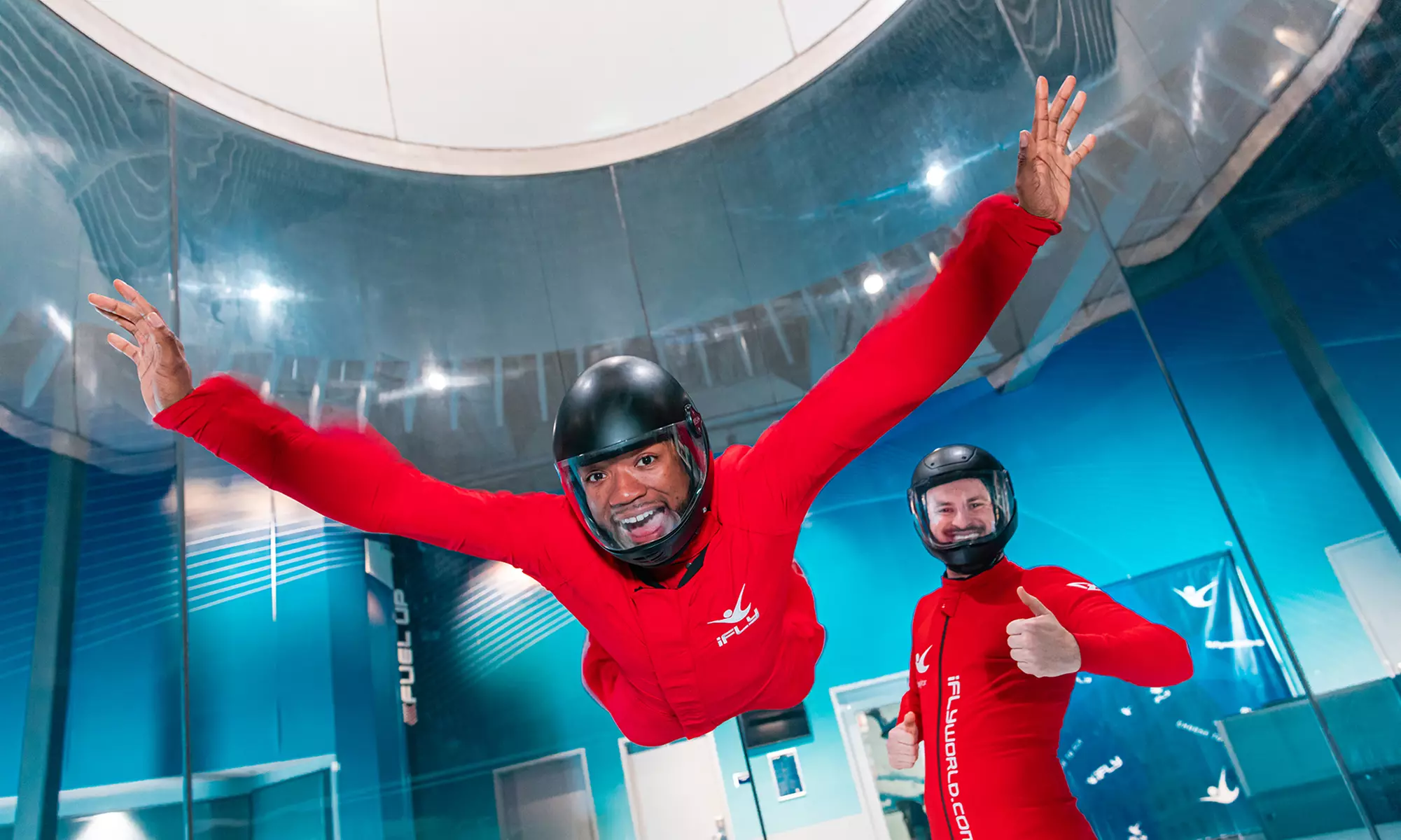
For those who want to try skydiving in a safer, weather-independent environment, indoor skydiving provides a great alternative. Using vertical wind tunnels, it simulates the sensation of freefall without altitude or parachutes. This makes it perfect for beginners, families with kids, or anyone wanting a low-stress introduction to the thrill of skydiving. Indoor skydiving near you offers a controlled, adrenaline-filled experience with instant guidance from
Different Types of Skydiving and How to Experience Freefall
Skydiving comes in multiple formats, each suited to different skill levels, ages, and thrill preferences. Knowing the types helps you pick the right experience, maximize safety, and get the best value for your budget. From first-time tandem jumps to advanced solo flights, there is a style for everyone.
- Tandem Skydiving: The most popular choice for beginners. You are securely attached to a certified instructor, who handles exit, freefall, parachute deployment, and landing. Minimal training is required, making it ideal for first-timers or casual thrill seekers.
- Indoor Skydiving: Uses a vertical wind tunnel to simulate freefall. Perfect for families, kids, corporate groups, or those seeking a weather-independent experience. Allows younger participants (typically 3–5 years old) and has higher weight limits than outdoor jumps.
- Accelerated Freefall (AFF) / Solo Training Jumps: Designed for participants who complete formal training courses. AFF provides full control over body position and parachute deployment, with instructors assisting from the ground. Ideal for serious enthusiasts aiming for certification.
- Static Line Jumps: Common in military-style training or beginner certification programs. The parachute deploys automatically as you exit the aircraft. Less popular for casual thrill seekers but useful for structured training paths.
- Group Formation / Fun Jumps: Experienced skydivers can join formation jumps, canopy formation, or swooping. Requires prior certifications. Focuses on coordination, speed, and advanced freefall skills.
| Type of Skydiving | Ideal For | Typical Age & Weight | Experience Level | Price Range (USD) |
|---|---|---|---|---|
| Tandem Skydiving | First-timers, casual thrill seekers | 18+; 90–240 lbs | Beginner | 150–350 |
| Indoor Skydiving | Families, kids, corporate groups | 3+; up to 300 lbs | All levels | 50–100 per flight |
| Accelerated Freefall (AFF) | Serious enthusiasts, certification seekers | 18+; 90–240 lbs | Intermediate to Advanced | 250–500 per jump |
| Static Line Jumps | Training programs, certification | 18+; 90–240 lbs | Beginner to Intermediate | 150–300 |
| Group Formation / Fun Jumps | Experienced skydivers | 18+; 90–240 lbs | Advanced | Varies, 200–500+ |
Understanding the differences between tandem, indoor, AFF, static line, and formation jumps ensures you select the skydiving experience that matches your age, skill level, and budget. Comparing prices, packages, and local deals lets you enjoy safe and memorable freefall adventures without overpaying.
Different Types of Skydiving and How to Experience Freefall
Skydiving offers multiple formats to suit different skill levels, ages, and thrill preferences. Understanding the types helps you choose the experience that matches your comfort, adventure level, and group.
Tandem Skydiving
Tandem skydiving is ideal for first-time jumpers and casual thrill seekers. You are securely attached to a certified instructor who manages the exit, freefall, parachute deployment, and landing. It requires minimal training and provides a safe, adrenaline-packed introduction to skydiving, perfect for adults seeking a once-in-a-lifetime experience.
Indoor Skydiving
Indoor skydiving simulates freefall in a vertical wind tunnel, making it safe and accessible for children, families, and beginners. It allows participants of various ages and sizes, offering the sensation of skydiving without jumping from a plane. It’s excellent for trying out the experience, group activities, or practicing skills in a controlled environment.
iFLY indoor skydiving and similar tunnels are popular for kids, nervous adults, and anyone who wants the sensation without worrying about heights or an accident in the sky. It is also useful if you want to test how your body handles the airflow before paying for a full jump.
Accelerated Freefall (AFF)
Accelerated Freefall is designed for participants pursuing certification and serious skydiving enthusiasts. You have full control over your body position and parachute deployment while instructors guide you from the ground. It’s ideal for adults who want to progress from tandem jumps to independent skydiving, combining skill development with thrilling freefall.
Static Line Jumps
Static line jumps automatically deploy the parachute as you exit the aircraft. Commonly used for training programs or beginners seeking structured learning, this type emphasizes safety and control. It is suitable for those interested in developing core skydiving skills in a guided, predictable environment.
Group Formation / Fun Jumps
Group formation or fun jumps are intended for experienced skydivers who have completed required training and certifications. These jumps focus on coordination, teamwork, and advanced maneuvers like canopy formations. Ideal for thrill seekers who want to challenge themselves and participate in dynamic aerial activities with others.
How Much Does Skydiving Cost in the US and Ways to Save
Skydiving prices in the US vary by location, jump type, altitude, season, and extras like photo or video packages. Tandem skydives for first-time jumpers usually range from $200 to $350, while indoor skydiving sessions are more affordable, typically $50–$100 per flight. Weekend slots and peak seasons generally cost more, whereas weekdays and off-peak months offer lower rates. Extra features such as media bundles or higher altitudes increase the price, but deals, vouchers, and promo codes often provide significant savings.
- Weekday or off-peak jumps often come at discounted base rates.
- Group packages reduce the per-person cost for friends or family.
- Promo codes, seasonal campaigns, and online vouchers can save money and sometimes include extras like photos or videos.
- Bundled packages with training, gear, and media simplify pricing comparisons.
- Indoor skydiving offers a lower-cost, weather-independent option for families and beginners.
| Region | Jump Type | Typical Price Range (USD) | Notes |
|---|---|---|---|
| California / Florida | Tandem Skydiving | $250–$350 | High-demand tourist areas; consider weekday deals for cheaper options. |
| Texas / Midwest | Tandem Skydiving | $200–$280 | Less busy locations; weekday or off-peak jumps often cheaper. |
| All US States | Indoor Skydiving | $50–$100 per flight | Family-friendly and weather-independent; multiple session options. |
| All US States | Photo / Video Add-Ons | $80–$200 | Bundled packages often save money and simplify checkout. |
| All US States | High-Altitude Tandem | $300–$400+ | Longer freefall time; higher costs due to altitude and fuel. |
By comparing offers by region, time, and package inclusions, you can find the best value for skydiving without compromising safety or experience. Groupon deals and local vouchers are a simple way to access discounted tandem or indoor jumps, often with bundled media, making it easier to plan a thrilling yet affordable adventure.
Top US Cities and Skydiving Locations for Beginners and Advanced Jumpers
The United States offers some of the best skydiving experiences for both beginners and advanced jumpers. Whether you’re looking for your first tandem skydive or seeking high-altitude freefall with dramatic landscapes, there are drop zones across the country catering to every skill level. From scenic desert jumps in Arizona to coastal views in Florida and mountain backdrops in Colorado, these top locations combine safety, stunning scenery, and expert instructors to make every jump unforgettable.
- Eloy, Arizona: Home to Skydive Arizona, one of the largest and most popular drop zones in the world, offering reliable weather and clear desert views that are perfect for first‑timers and seasoned skydivers alike.
- Perris, California: A major Southern California drop zone with an on‑site wind tunnel for practice, strong safety reputation, and programs for both beginners and solo training jumpers.
- Zephyrhills / Skydive City, Florida: Known for friendly staff, high safety standards, and scenic jumps up to 13,500 feet; ideal for first‑time tandem skydives and continued progression.
- Skydive Sebastian, Florida: Offers stunning coastline views during descent; excellent for beginners and intermediate jumpers seeking scenic freefall experiences.
- Skydive New England, Maine: Veteran‑run drop zone with relaxed atmosphere and beautiful forest/countryside views, welcoming to first‑timers and experienced jumpers looking for quality conditions.
- Long Island Skydiving Center, New York: Near NYC with skyline and ocean views, perfect for beginners who want a unique urban backdrop alongside safe tandem experiences.
- Wisconsin Skydiving Center, Jefferson, Wisconsin: Midwest favorite with community vibe and strong safety focus, suitable for new jumpers and those building experience.
- Chicagoland Skydiving Center, Illinois: Well‑maintained drop zone with turbine aircraft and training programs for both beginners and advancing skydivers.
- Skydive Orange, Virginia: East Coast destination with year‑round jumping, scenic landscapes, and options for both tandem and advanced training jumps.
- Skydive Space Center / Titusville, Florida: Offers high‑altitude jumps (up to ~18,000 feet) near the Space Coast, attractive to both adventurous beginners (with instructor) and more experienced jumpers.
- Mile‑Hi Skydiving, Colorado: High‑elevation jumps in the Rockies, ideal for advanced skydivers looking for extended freefall and dramatic mountain views.
- Skydive Bend, Oregon: Central Oregon drop zone with views of the Cascades and high desert, popular with both new jumpers and those seeking varied terrain experiences.
- Skydive Key West, Florida: Tandem‑focused drop zone with spectacular ocean and island landscape views, great for a memorable first jump.
- Mojave / Moab, Utah region: Offers dramatic desert canyons and sandstone vistas, suitable for adventurous jumpers and scenic freefall seekers.
- Skydive Chicago Resort, Illinois: Resort‑style drop zone with camping and spectator amenities, fitting for both first‑time jumpers and experienced skydiving enthusiasts.
Skydiving Facts & Interesting Info
- How fast do you fall when skydiving: During freefall, a typical tandem skydive reaches speeds of around 120 mph (193 km/h), while experienced solo skydivers in streamlined positions can exceed 180 mph (290 km/h).
- Freefall Duration: Most standard jumps offer about 45–60 seconds of weightless freefall before the parachute deploys, giving a full adrenaline experience.
- Jump Altitudes: Typical tandem jumps start between 10,000–13,000 feet, while high-altitude jumps can start at 15,000–18,000 feet for extended freefall.
- Record Freefall: The longest freefall recorded without a drogue chute exceeded 4 minutes, demonstrating the extremes possible in skydiving.
- Scenic Views: Outdoor skydiving often offers spectacular landscapes including coastlines, mountains, deserts, or city skylines during the descent.
- Terminal Velocity Facts: Terminal velocity is reached quickly in freefall; body position, suit type, and equipment can slightly alter speed.
- Adrenaline Impact: Skydiving releases high levels of adrenaline and endorphins, creating a unique physical and emotional high that lasts beyond landing.
- Indoor vs Outdoor Thrill: Indoor skydiving replicates the sensation of freefall but without altitude or actual parachute deployment, making it perfect for beginners and family-friendly fun.
Skydiving Safety Requirements, Limits, and What You Need to Jump
Skydiving is an extreme sport that requires clear safety standards and participant readiness. Most reputable drop zones enforce specific rules for age, weight, health, gear, and training to ensure every jump is as safe and predictable as possible. Understanding these requirements helps you prepare properly and enjoy the experience with confidence.
- Age Requirements: In the United States, you generally must be at least 18 years old with a valid government‑issued ID to skydive. Parental consent does not substitute for the age limit for outdoor tandem jumps.
- Weight Limits: Most tandem skydiving centers set a maximum weight limit around 220–240 lbs (100–109 kg). Some locations may extend limits up to 250–260 lbs (113–118 kg) with height and body type considerations. A minimum weight around 90–100 lbs (40–45 kg) is also common to ensure a correct harness fit.
- Health and Fitness: You should be in generally good health. Common restrictions include serious heart conditions, recent surgeries, uncontrolled high blood pressure, or conditions that affect balance or mobility. Always consult your doctor if you have health concerns.
- Waivers and Paperwork: Before jumping, all participants must sign a liability waiver and complete a health questionnaire. Read all forms carefully and ask questions if anything is unclear.
- Instructor Certification: Reputable drop zones use certified instructors (typically USPA or equivalent). Ask about your instructor’s experience and qualifications if you want reassurance.
- Gear and Equipment Standards: Drop zones inspect harnesses, reserve parachutes, and automatic activation devices (AAD) before every jump. Modern gear with up‑to‑date inspection logs improves your safety margin.
- Briefing and Training: First‑time jumpers receive a required safety briefing that covers body position, exit, freefall, canopy flight, landing, and emergency procedures. Pay attention — the briefing equips you with essential skills.
- Weather and Conditions: Skydiving is weather dependent. High winds, rain, or low cloud ceilings can delay or cancel jumps for safety reasons. Drop zones monitor forecast data and make decisions based on pilot and instructor judgment.
- Indoor Skydiving Differences: Indoor skydiving (wind tunnel) is more accessible for kids and beginners. Weight limits are often higher (commonly up to ~300 lbs/136 kg), age minimums lower (typically 3–5 years old with guardian), and there is no parachute deployment risk because it uses vertical wind chambers.
Meeting all safety requirements and understanding how drop zones regulate age, weight, health, gear checks, and weather helps you plan a confident and enjoyable skydiving experience. Always check the specific policies of the drop zone you choose and ask questions before booking.
Things to Do after your Skydive Experience
Since dropzones are often outside city centers, it can help to build a loose schedule so the day does not feel like a long wait with nothing nearby. Browsing local tickets and events or local festivals near the airport area can turn a single jump into a full mini getaway with food, music, or sightseeing after you land.
If some friends are uneasy, consider pairing the jump with more relaxed escape room games or a calm evening event the same weekend, so the trip does not hinge only on one high stress activity. That simple mix often turns on the yes for people who are on the fence.
For families or mixed age groups, look for family activities and sightseeing and tours so everyone has something to look forward to, not just the people harnessing up. Just book it early.
In the end, the best skydiving choice is the one that fits your budget, your schedule, and your nerves without stretching any of them to breaking point. Take a little time to compare options, read at least one honest review, and pick the deal that feels both affordable and steady. That mix of thrill and quiet confidence tends to stick with people long after the parachute is packed away.
Frequently Asked Questions
Skydiving is the experience of exiting an aircraft and descending under a parachute, usually after a period of freefall. Most first timers do tandem skydiving, meaning being securely harnessed to an instructor who handles the exit, the parachute deployment, and the landing plan. Expect a quick gear check, a short training talk, a plane ride up, then the jump itself. After that comes a calmer canopy ride and the landing.
Skydiving usually costs between $150 and $350 for a tandem jump, depending on the drop zone, jump height, and what is included. Lower altitudes and less busy locations tend to be cheaper, while higher jumps and popular areas cost more. Photos or video are often optional add-ons priced around $80–$150. Instructor time, equipment, training, and local demand all affect the final price, which is why bundled offers or vouchers can make it easier to compare true costs and find the best value without unexpected extras.
Plan for a few hours on site, even though the jump itself is short. The plane ride, gearing up, and safety brief take time, and weather can slow the schedule. Freefall is brief, then the canopy ride is a few minutes, and there is usually time afterward to debrief, grab photos, and settle the adrenaline.
Skydiving is heavily regulated and instructors train for malfunctions, but it is not risk free. The most common issues tend to be minor injuries from awkward landings, not a midair accident. Risk goes up with poor weather decisions, ignoring medical guidance, or trying to rush training. A reputable drop zone will do thorough gear checks, enforce wind limits, and clearly explain emergency procedures before boarding.
For outdoor tandem skydiving in the US, the minimum age is almost always 18, even with parental consent, and most drop zones require a valid government-issued ID at check-in. Indoor skydiving follows different rules and is much more family friendly, with many wind tunnel locations allowing kids as young as 3 or 4 years old when accompanied by a parent or guardian, making it a popular option for younger thrill seekers who are not yet eligible for a real jump.
Yes. Most US drop zones set a tandem skydiving weight limit around 220–240 lbs (100–109 kg), with some allowing up to 250–260 lbs depending on height, harness type, and weather conditions. Minimum weight is usually about 90–100 lbs to ensure a safe harness fit. Limits vary by location and are strictly for safety, so always check the drop zone’s policy before booking. Indoor skydiving often allows higher limits since no parachute is used.
Think practical, not cute. Wear snug athletic clothes, lace up sneakers, and avoid anything that can flap or snag. Skip loose jewelry and empty pockets before gearing up. Here’s an insider tip: bring a thin layer even in warm states. The plane ride up can feel chilly, and tighter sleeves can reduce that wind snap feeling during freefall.
It depends on the goal. indoor skydiving, including ifly indoor skydiving, is like learning balance in a wind tunnel, it is controlled, weather proof, and great for practicing body position without the intensity of the exit. A real jump gives the full altitude and canopy experience right away. For a budget friendly trial run, some people spot indoor skydiving deals on Groupon alongside other things to do, then decide if tandem feels like the next step.