


Restaurants in Chicago, IL
Chicago’s dining scene covers everything from classic steakhouses and Italian restaurant staples to rooftop restaurants, vegan kitchens, and strong seafood near Millennium Park. Meals range from quick, affordable spots to destination tables, with late night American restaurant traffic keeping neighborhoods busy well past dinner. Here you can explore restaurant deals, check current food discount offers, and sort restaurant coupons to find well known restaurants or must try restaurants in Chicago that match the moment.

500+ deals



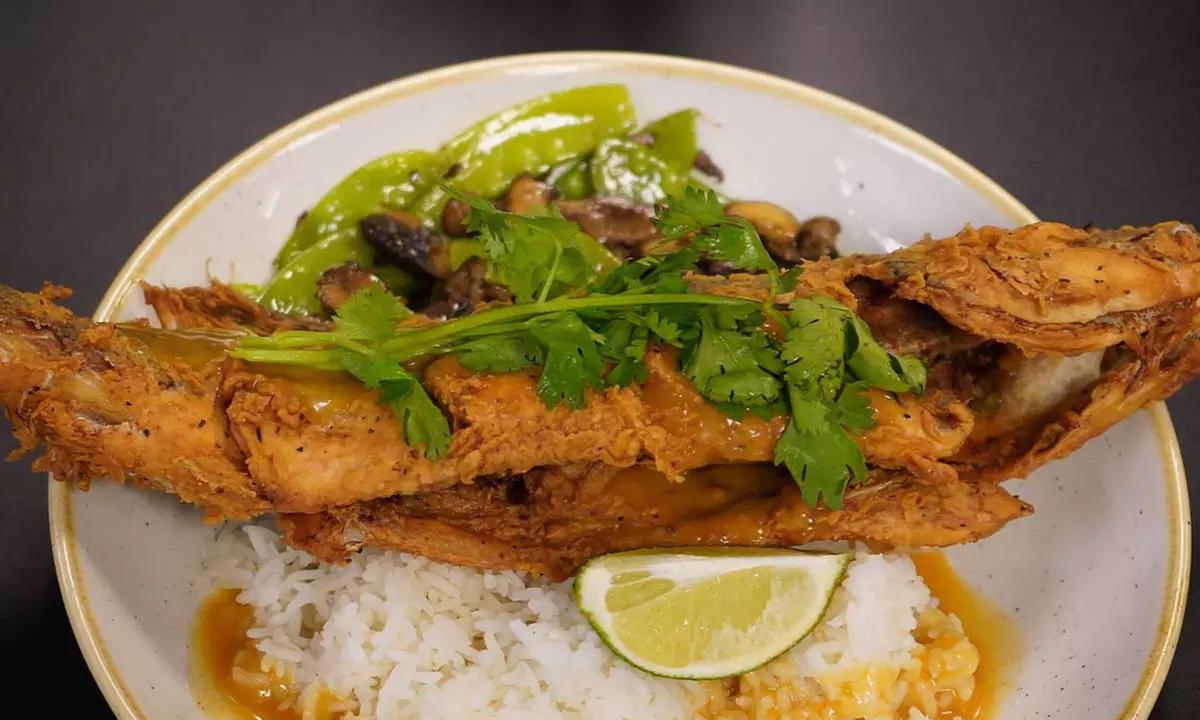
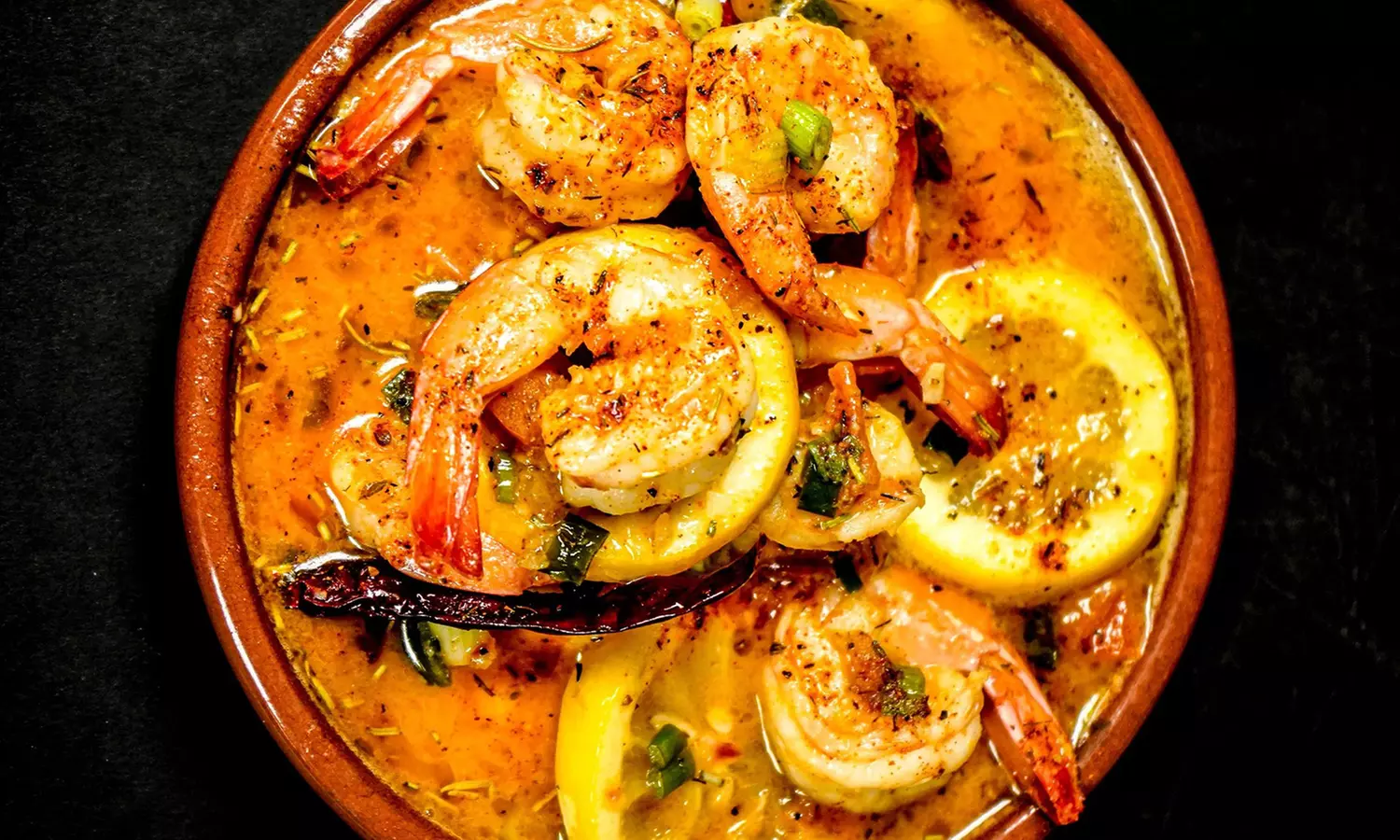
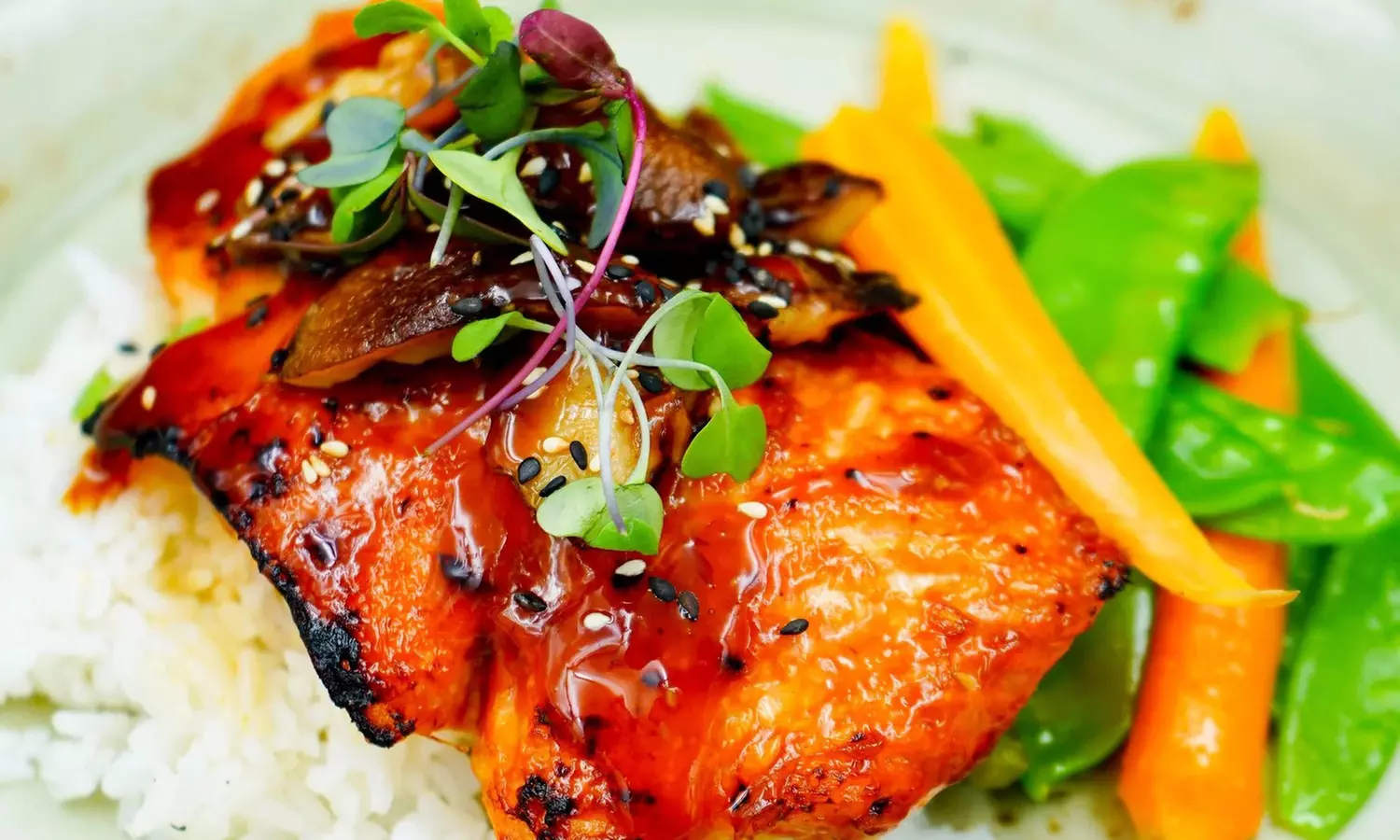
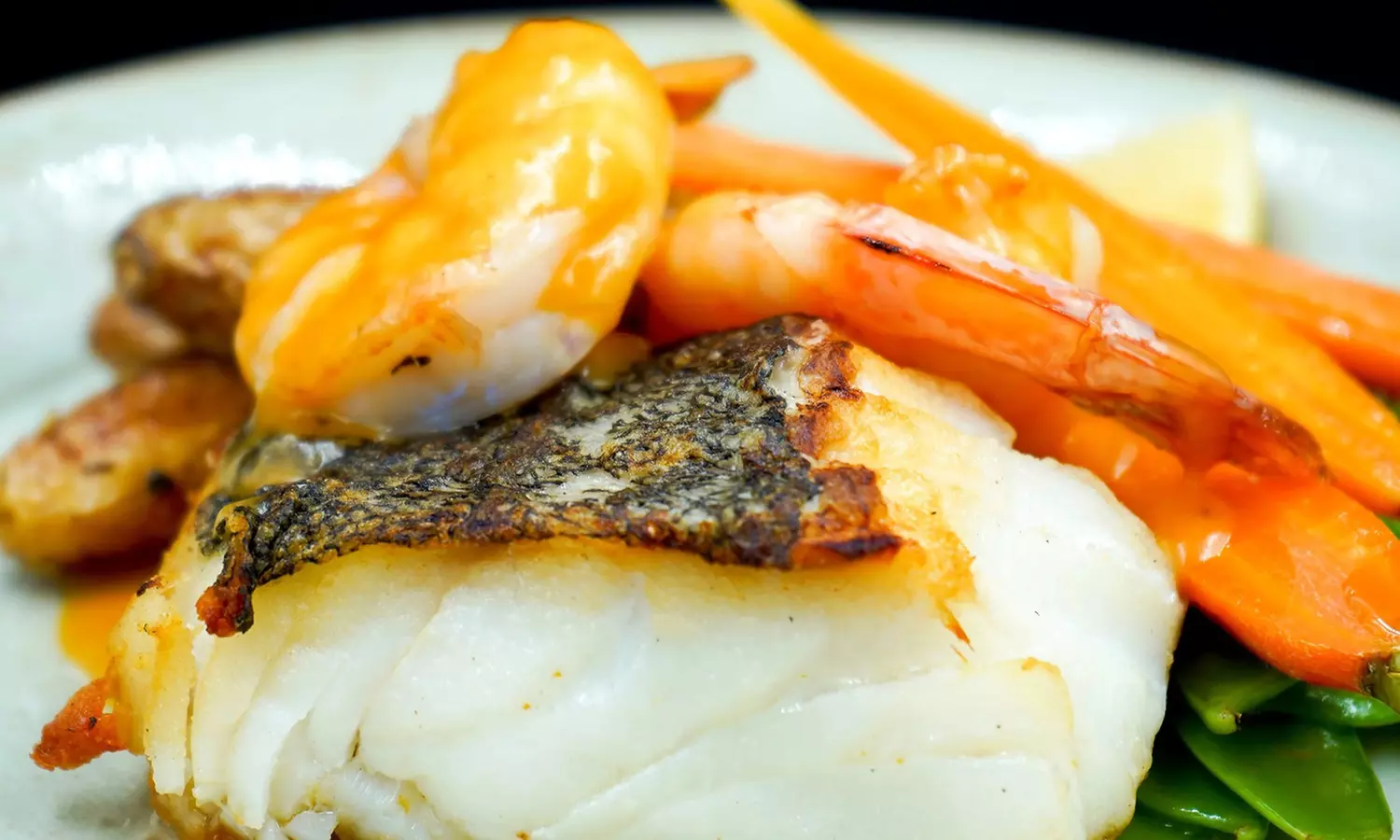
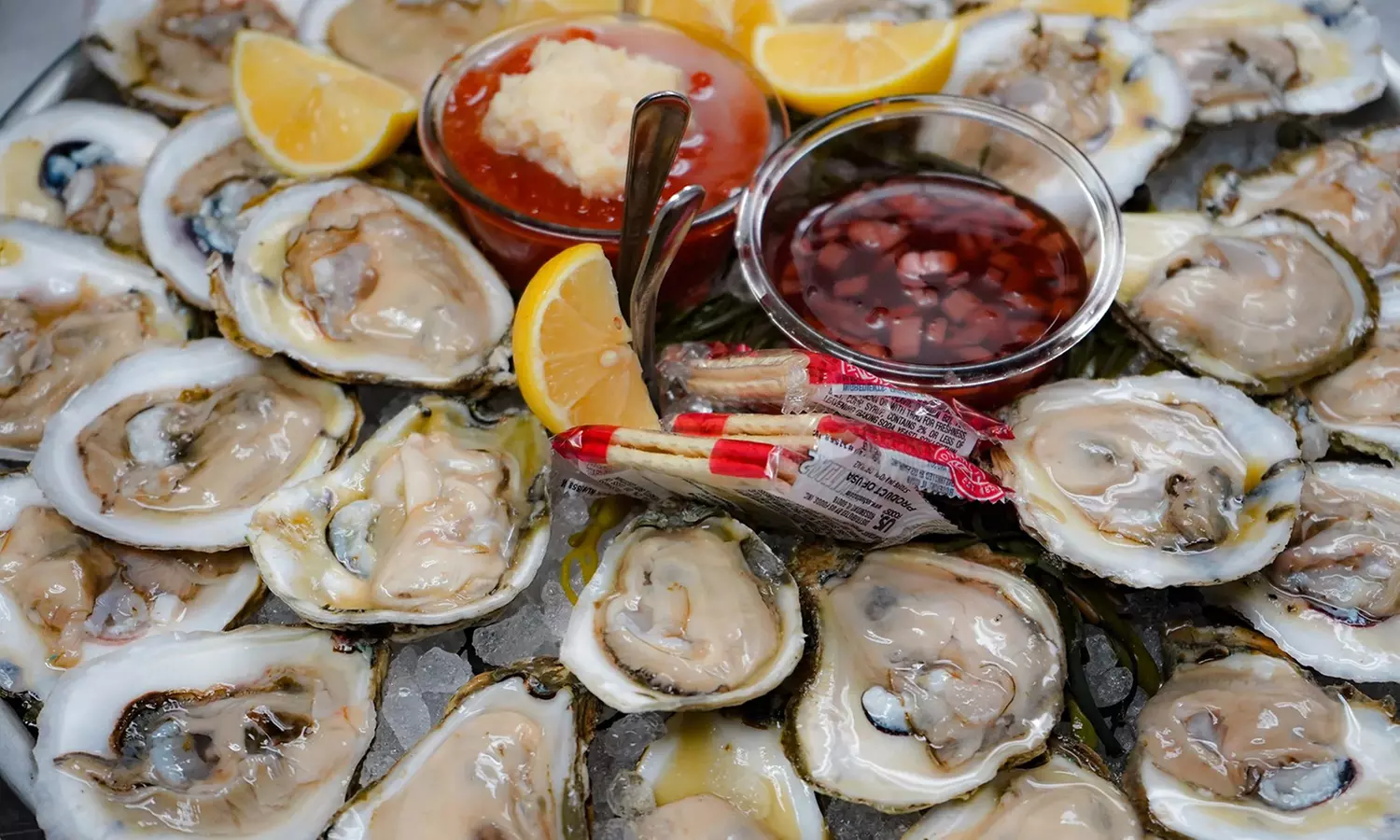

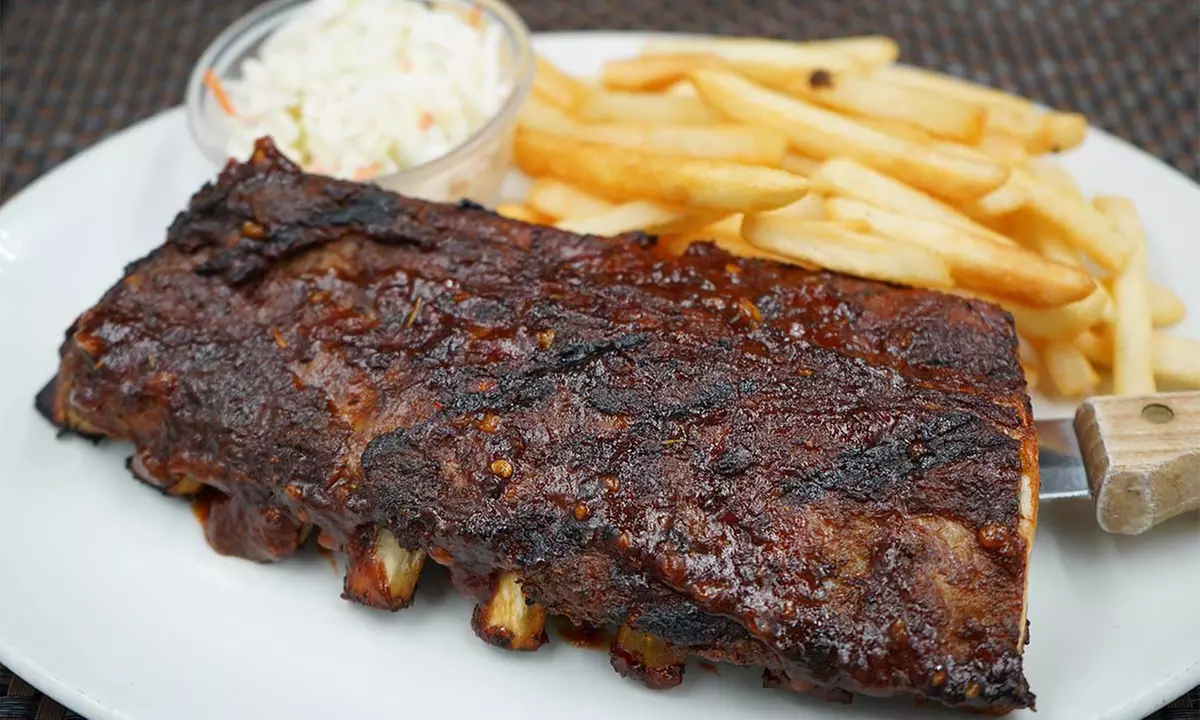


Unrivaled Restaurant Deals in Chicago City
Choosing where to eat in Chicago is rarely just about food. It is about timing, proximity, energy level, and how much effort you want the night to require. On some evenings you want a table that feels like a reward. On others, you just need somewhere reliable within a short walk that will not turn dinner into a logistical project.
The city supports both extremes from casual under $25 meals to Michelin-level experiences but the smartest diners focus less on rankings and more on fit. The right restaurant should match the night you are actually having, not the one a list told you to plan.
How experienced Chicago diners narrow the search quickly
People who consistently pick well tend to filter in the same order:
- Location first — eliminate long cross-city trips on weeknights
- Budget second — decide the real number before opening menus
- Pace third — quick dinner, lingering meal, or full event
This approach prevents what locals quietly call decision drag — spending 45 minutes debating options only to book the closest table anyway.
If you already know the neighborhood, scanning nearby food and drink options often surfaces places that fit the moment without overthinking it.
Understanding price before you sit down
Menus telegraph affordability fast once you know where to look.
| Menu Signal | What It Usually Means | Best Use Case |
|---|---|---|
| Mains under $25 | Flexible, weeknight-friendly | Low planning energy dinners |
| Mains under $50 | Comfortably elevated | Date nights or pre-show meals |
| Tasting or steak near $100 | Event-level dining | Birthdays, milestones |
If only one dish sits in the lower tier, the restaurant is signaling its true pricing. Trust that signal.
Why neighborhood energy changes the entire meal
The same cuisine feels different depending on where you eat it.
Near downtown, especially around theaters and Millennium Park, meals often move with purpose. Guests arrive with timelines, and tables turn faster. This is ideal when booking restaurants near Chicago Theater before a performance.
Further north and west, pacing slows. Conversations stretch. Desserts happen. These areas reward nights when you are not watching the clock.
Matching tempo to neighborhood is one of the simplest ways to upgrade your dining experience without spending more.
Using deals intelligently instead of chasing them
The strongest restaurant strategy is surprisingly simple:
Pick the restaurant first. Apply the discount second.
Searching for best restaurant deals before choosing cuisine often leads to compromise — a cheaper table that never quite matched your mood.
Instead, shortlist a few places, then check whether a food discount, promo, or restaurant coupon exists. When it does, you upgrade value without sacrificing fit.
Seasonally, Chicago restaurants tend to release stronger offers during slower stretches, which is why scanning bar and dining deals in colder months can surface surprising reservations.
Cuisine shortcuts that simplify decision making
When energy is low, cuisine can act as a decision shortcut.
- Reliable comfort → browse nearby American restaurants
- Effortless date night → consider an Italian restaurant
- Group-friendly sharing → explore Latin American spots
- Precision and lighter pacing → look toward Japanese dining
Decision fatigue drops dramatically when you categorize first instead of scrolling endlessly.
The Michelin question: when prestige actually improves the night
A Michelin star restaurant should feel intentional.
Book one when:
- You have an open evening
- You want a structured experience
- The meal is the event
A rushed tasting menu rarely feels luxurious.
On tighter schedules, a well-run neighborhood restaurant often delivers more satisfaction per dollar.
Rooftops, patios, and seasonal judgment
The first warm weekends trigger predictable behavior — everyone wants altitude and sunlight.
Rooftop restaurants thrive on atmosphere, but checking menu pricing beforehand prevents view-driven overspending.
If cocktails approach entrée pricing, you are paying primarily for scenery.
That is not wrong — just decide knowingly.
Dog-friendly dining is now a year-round category
Many dog friendly restaurants in Chicago extend patio seasons with heaters and wind barriers.
Still, policies vary widely.
Calling ahead saves awkward host-stand negotiations during peak hours.
Breakfast and brunch operate on a different economy
The best breakfast spots are less about cuisine and more about throughput.
Ask two questions:
- How quickly do they turn tables?
- Is the wait indoors?
A 40-minute outdoor line erases the value of any deal.
When you want a smoother start, browsing nearby cafes and treats can reveal lower-friction alternatives.
Seafood reality check
Great seafood inland depends on sourcing discipline.
Signals of quality include:
- Menus that rotate
- Tighter selections
- Staff who confidently describe origins
Exploring dedicated seafood restaurants often yields stronger consistency than broad menus trying to cover every cuisine.
Where well-known restaurants quietly outperform trends
Trend-driven openings attract attention.
Established restaurants earn return visits.
The difference usually comes down to operational rhythm — how smoothly the room runs once full.
Veteran diners watch for service timing, acoustics, and spacing more than décor.
Stacking experiences for a stronger night out
Restaurants rarely exist in isolation.
Pairing dinner with nearby stops — whether breweries, dessert cafés, or late drinks — creates a more fluid evening.
Scanning breweries and distilleries nearby can extend the night without requiring another long reservation hunt.
Quick signals a restaurant is worth repeating
- Water arrives immediately
- The room noise stays manageable
- Pacing feels intentional
- You never need to flag staff twice
These operational details predict satisfaction better than hype.
The simplest framework for choosing well
Before booking, confirm three things:
Would you come back on an ordinary Tuesday?
If the answer is yes, you likely found real value — whether it is a vegan kitchen, a classic steakhouse, a folklore-style dining room, or a polished downtown favorite.
Chicago offers more great meals than anyone can realistically try. The goal is not chasing every must-try restaurant in Chicago, but building a short personal rotation of places that consistently deliver.
Once you reach that point, deals stop driving your decisions — they simply make already-good ones even better.
Frequently Asked Questions
Dining offers appear throughout downtown corridors and surrounding neighborhoods, giving diners flexibility when choosing a location that fits daily plans. Groupon brings together local restaurant deals so buyers can quickly view available options across the city.
Options often span casual eateries, upscale dining rooms, neighborhood favorites, and cuisine-specific spots ranging from Italian and Mexican to seafood and contemporary American.
Entry-level dining offers sometimes appear under $25, while expanded meals or multi-course experiences frequently list under $50 depending on the restaurant and package.
High-demand venues and peak dining windows such as weekend evenings can reach capacity fast as reservation books tighten.
Common decision drivers include cuisine type, neighborhood, price range, occasion, and overall dining format when reviewing multiple offers.
Some diners use offers for midweek meals, while others apply them toward birthdays, date nights, and group outings.
Curated marketplaces frequently surface independent kitchens and newer venues alongside established spots, expanding the range of choices available.
Groupon centralizes local dining offers, helping diners scan cuisine categories, pricing tiers, and neighborhood options without jumping between multiple restaurant sites.