






Full Body Massage in and near Chicago, IL
Full body massage deals in Chicago bring therapeutic care within easy reach. Find discounts on deep relaxation sessions, sports treatments, and couples massages with aromatherapy or hot stones. Groupon vouchers help reduce pricing, with some packages available under $50. Licensed therapists across Chicago support flexible booking for stress relief, muscle recovery, and ongoing wellness.
500+ deals


Understanding Full Body Massage Options in Chicago From the Start
Full body massage in Chicago is less about finding a place that looks impressive and more about identifying treatment that matches how your body actually feels. With hundreds of studios, day spas, and therapy-focused clinics across the city, the real advantage is optionality. Once you understand how pricing works, where demand concentrates, and which formats deliver consistent results, the search becomes far more efficient.
How full body massage actually functions across Chicago
Most providers cluster around high-footfall corridors such as the Loop, River North, West Loop, and Lincoln Park, where predictable demand supports dense scheduling. Neighborhood studios often prioritize repeat clients and therapy-driven sessions, while larger spa environments absorb weekend traffic and occasion bookings. Neither model is inherently better. The difference usually comes down to whether the visit is maintenance or recovery.
People booking regular muscle work tend to stay close to home or commute routes because consistency matters more than novelty. Longer sessions and slower environments often draw clients north toward residential pockets where treatment rooms are quieter and appointments run with fewer delays. If comparing current availability in one place helps narrow the field, browsing Chicago full body massage listings can quickly show what is open, how sessions are structured, and where pricing currently sits.
What separates a restorative session from a forgettable one
The strongest outcomes usually trace back to therapist approach rather than décor. Pressure adaptability, pacing, and anatomical awareness consistently rank above atmosphere in post-visit reviews. A room can look refined yet still deliver mechanical, rushed work, while smaller clinics often build loyalty through precision and continuity.
Three variables tend to predict satisfaction:
- Session pacing, enough time spent on dominant tension zones rather than uniform coverage.
- Pressure literacy, therapists adjusting in real time instead of following a fixed routine.
- Noise control, subtle but decisive for nervous system downshifting.
Clients managing chronic shoulder load from desk work or commuting patterns often benefit more from targeted therapeutic sessions than from generalized relaxation formats. The reverse is also true. If the goal is cognitive reset rather than structural relief, lighter techniques frequently outperform aggressive pressure.
Chicago massage pricing behaves more predictably than it appears
Rates move primarily with calendar pressure, not therapist capability. Late morning openings, early weekdays, and recently expanded schedules are harder to fill, which is why identical sessions may list lower during those windows. In dense service markets, unused treatment time carries a higher cost to providers than adjusting price.
Use this table as a grounded reference point when evaluating offers.
| Session format | Typical duration | Observed range | Context |
|---|---|---|---|
| Entry full body massage | 50 to 60 minutes | $70 to $120 | Often Swedish or blended technique, steady baseline option |
| Therapeutic or deep pressure | 60 minutes | $95 to $150 | Common among active adults and desk-bound professionals |
| Extended treatment | 75 to 90 minutes | $120 to $190 | Allows focused work without compressing the session |
| Couples format | 60 minutes | $170 to $280 per couple | Higher room overhead drives the spread |
| Prenatal session | 50 to 60 minutes | $95 to $150 | Requires specialty positioning and training |
When a rate looks unusually low, check the hands-on minutes rather than assuming reduced quality. Shortened treatment windows explain most pricing anomalies.
How experienced clients filter options quickly
Instead of opening dozens of profiles, narrow the search through three stabilizers: distance, treatment style, and realistic cost. A studio that sits naturally within weekly movement patterns almost always outperforms one that requires a cross-city trip, even if the headline price appears attractive.
Reviews become more useful when you ignore the extremes and read mid-tier commentary. Four-star feedback often reveals pacing, therapist attentiveness, and operational rhythm. Five-star notes lean atmospheric, while one-star reviews frequently reflect isolated friction rather than repeat patterns.
If building a longer reset, many people pair massage with adjacent care such as a Chicago spa visit or a targeted facial treatment, keeping recovery contained to a single location instead of fragmenting the day across appointments.
Choosing between spa environments and therapy-led studios
Larger spas trade partly on spatial comfort. Lounges, heat amenities, and decompression areas extend the visit beyond the table, which can justify higher pricing when the schedule allows arrival well before the session. Without that margin, the environmental premium carries less practical return.
Therapy-centered studios tend to compress the experience but expand the technical focus. Clients treating recurring tightness often migrate toward these settings once the priority shifts from ambiance to measurable relief.
Seasonality quietly shapes booking patterns
Winter demand spikes as outdoor activity contracts and muscular stiffness rises. Cold-weather bookings skew therapeutic, while warmer months support more relaxation-driven visits after travel, long walks, or recreational sports. Transitional seasons often produce the widest availability.
Weather disruptions also redirect last-minute demand, which is why shorter-notice openings appear more frequently during unstable forecasts.
Where structured savings tend to surface
Introductory pricing, multi-session structures, and off-peak inventory usually generate the most stable value. These formats help providers smooth scheduling while giving new clients a lower-friction entry point.
Scanning current availability through Chicago massage offers often clarifies how different businesses package session length, add-ons, and therapist tiers, making side-by-side comparison faster than checking individual storefronts.
Booking timing that reduces friction
After-work hours fill first near office corridors, particularly midweek. Midday tends to remain the most navigable window, with calmer reception flow and fewer delayed starts. Weekend mornings book earlier than many expect, especially when temperatures drop.
Spacing treatments four to six weeks apart generally supports better muscular adaptation than irregular, high-intensity visits. Consistency usually matters more than technique hopping.
Putting the decision on firmer ground
A strong massage choice rarely comes from chasing the single highest rating or the lowest visible price. It emerges from alignment: therapist capability, location logic, and a rate that reflects actual treatment time. Once those variables hold steady, Chicago’s depth shifts from overwhelming to practical, making it easier to return to providers who deliver reliable physical reset rather than one-off novelty.
Frequently Asked Questions
Full body massage prices in Chicago often begin under $50 for shorter treatments, while 60 or 90 minute sessions frequently list under $100 depending on technique and spa setting. Many residents review Groupon deals before booking because they present current discounts clearly, helping narrow price expectations without contacting multiple providers.
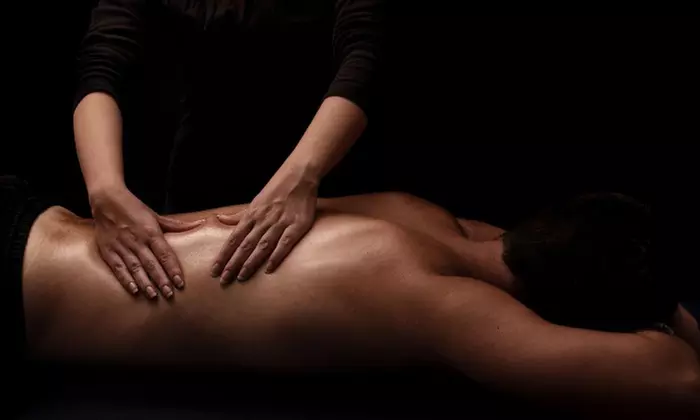
A full body massage covers the major muscle groups such as the back, shoulders, legs, arms, and neck using continuous therapeutic movements designed to release tension. Some sessions adjust pressure levels to match personal comfort, creating a more balanced and restorative experience.
For many people, a structured massage session supports noticeable physical relief while also encouraging mental slowdown. Regular treatments are often associated with improved flexibility and reduced tightness, especially for those managing long desk hours or demanding training routines.
Massage studios and wellness spas operate across central neighborhoods and surrounding districts, placing many within convenient reach of office corridors and residential areas. This broad availability allows clients to integrate appointments into normal weekly schedules.
Yes, limited time promotions appear regularly, particularly for first visit offers or midweek appointments. Browsing Groupon can surface full body massage deals quickly, making it easier to compare options and secure professional treatment at a lower cost.
Most sessions last between 60 and 90 minutes, a window that gives therapists enough time to address multiple muscle zones without rushing the treatment. Shorter formats are sometimes chosen for maintenance rather than deeper recovery.
People often schedule sessions after periods of sustained physical strain, travel fatigue, or elevated stress levels. Planning a massage before a lighter evening or rest day can help extend the sense of recovery that follows the treatment.
Booking ahead is common since evening and weekend appointments tend to fill faster than daytime openings. Securing a slot early improves flexibility when choosing treatment length and reduces last minute scheduling pressure.