




Deep Tissue Massage in and near Chicago, IL
Deep tissue massage deals in Chicago IL make targeted bodywork easy to book, with sessions designed for tight muscles or full body relief. Choose solo or couples massages, pick shorter resets or extended appointments, and review clear pricing before you go. Affordable options and current discounts help fit professional massage into even the busiest weeks.
500+ deals




The Turning Point Between Living With Pain and Fixing It
Most people in Chicago do not wake up planning to book a deep tissue massage. The decision usually arrives disguised as something else: the neck that will not turn fully, the shoulder that interrupts sleep, the lower back that starts negotiating every grocery run.
By the time you search, the question is rarely "Should I get a massage?" It is closer to "How long can I keep ignoring this?"
The Body Signals Chicago Residents Learn Not to Ignore
There is a predictable moment when discomfort shifts from background noise to something that shapes your day. In a dense, fast-moving city, that threshold tends to arrive sooner.
- You stretch constantly but nothing releases
- Your posture collapses by mid-afternoon
- Workouts feel harder without clear reason
- Sleep improves the moment you lie on the floor instead of the mattress
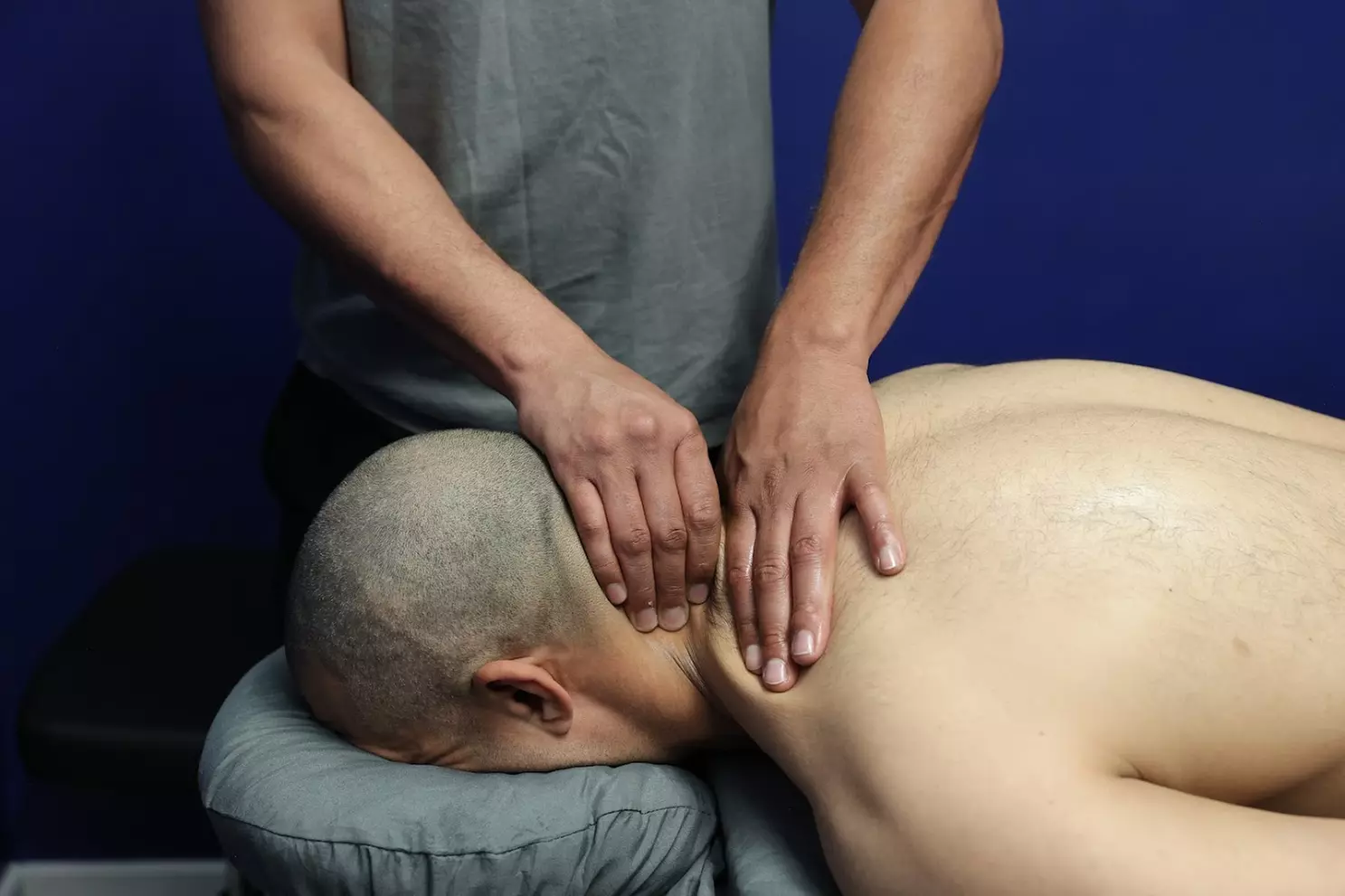
Deep tissue tends to enter the picture right there, not as relaxation but as intervention.
Why One Session Rarely Solves the Real Problem
The biggest misconception is treating deep tissue like a reset button. In reality, the first appointment often reveals how long tension has been building.
Experienced therapists frequently describe the initial visit as mapping the terrain. Real change usually appears across follow-ups, when muscles stop guarding and movement patterns begin to normalize.
This is why many regular clients quietly prioritize therapist consistency over spa aesthetics.
What Separates Effective Deep Tissue From Decorative Pressure
Not every firm massage qualifies as deep tissue. The difference is intention.
| Surface-Level Firm Work | True Deep Tissue Approach |
|---|---|
| Fast pressure | Gradual entry into muscle layers |
| Same routine for everyone | Session adapts to restriction patterns |
| Feels intense but fades quickly | Creates measurable mobility change |
| Focus on relaxation | Focus on structural relief |
If you are comparing providers, browsing Chicago massage listings can help you spot descriptions that lean clinical rather than purely atmospheric.
The Geography of Relief: Why Distance Kills Consistency
Chicago has a quiet behavioral pattern. The farther the studio, the shorter the relationship.
People imagine they will cross town monthly. Winter arrives, schedules compress, and appointments disappear.
The providers that keep long-term clients are rarely the flashiest. They are the ones positioned inside real movement paths, near offices, gyms, or transit lines.
When Deep Tissue Outperforms Other Massage Styles
There are moments when lighter modalities simply cannot reach the issue.
- Persistent knots between the shoulder blades
- Limited hip rotation
- Chronic tension headaches tied to muscle pull
- Post-training stiffness
For slower nervous-system recovery, many alternate sessions with Swedish massage or integrate heat through hot stone treatments.
The Pricing Pattern Few First-Time Clients Expect
| Session Length | Common Outcome | Who It Fits |
|---|---|---|
| 45 to 60 minutes | Targets one dominant area | Early-stage tension |
| 75 minutes | Allows structural work | Desk-heavy lifestyles |
| 90 minutes | Addresses compensations across the body | Long-standing tightness |
Many seasoned clients quietly consider longer sessions more economical because fewer appointments are needed.
How Deep Tissue Quietly Changes Daily Movement
The real metric is rarely how you feel on the table. It is what shifts afterward: easier stair climbs, smoother workouts, less subconscious bracing.
That is why deep tissue often becomes less of a rescue strategy and more of a recurring calibration.
Some build it into broader recovery days by pairing it with Chicago day spa visits or booking side-by-side sessions through couples massage offers.
The Quiet Strategy Behind Finding the Right Therapist
Instead of chasing the single best listing, experienced clients look for someone whose schedule overlaps with their life, not the other way around.
Reliability tends to outperform novelty. Once your body trusts the work, switching frequently resets progress.
At that point, deep tissue stops feeling like an appointment you squeeze in and starts functioning as infrastructure, something that supports everything else you ask your body to do in Chicago.
Frequently Asked Questions
Deep tissue massage in Chicago often ranges from about $60 to $120 depending on session length and neighborhood, with downtown studios sometimes pricing higher than locations in areas like Lakeview or Bucktown. Groupon frequently lists deep tissue massage deals under $80, making targeted muscle therapy easier to fit into a regular wellness routine.
Many deep tissue massage providers operate near high traffic districts such as the Loop, River North, and West Loop, while quieter wellness studios appear throughout Lincoln Park and Edgewater. This spread makes it realistic to book a session close to work, transit lines, or residential areas without crossing the entire city.
Deep tissue massage focuses on slower pressure that reaches deeper muscle layers, often helping with long standing tension from commuting, desk work, or intense workouts. Chicago therapists frequently tailor sessions toward shoulders, lower back, and hips since these areas tend to carry the most strain.
Late weekday mornings and early afternoons often provide calmer studio environments compared to peak evening hours. Booking during these windows can also surface better availability on Groupon, especially for longer sessions that require uninterrupted therapist time.
Office professionals, runners using the Lakefront Trail, and gym regulars often seek deep tissue work to manage tightness before it escalates into injury. It is equally useful for anyone noticing restricted movement or lingering soreness after repetitive activity.
Sessions commonly run 60 or 90 minutes, allowing therapists enough time to address multiple muscle groups without rushing the process. Longer appointments are often preferred when focusing on chronic tension rather than quick relaxation.
Several wellness studios across Chicago provide couples rooms designed for synchronized therapeutic sessions rather than purely relaxation focused treatments. Watching for bundled offers on Groupon can make booking two therapists at once more cost efficient.
Mild soreness can appear within the first day as muscles adjust, followed by improved mobility and reduced stiffness. Staying hydrated and keeping movement light afterward often helps extend the benefits of the treatment.