


Cheap Whale Watching Deals Near You
in Greensboro, NCReady for a once-in-a-lifetime experience on the water? Whale watching offers breathtaking views and unforgettable encounters with nature’s giants. It's an affordable adventure the whole family will love, with deals near you that make it easy to save on top-rated tours. Compare options and read reviews to find a great value, with some offers under 100$ or even under 75$. Look for a discount or coupon to book your spot and witness these majestic creatures up close.
200+ deals


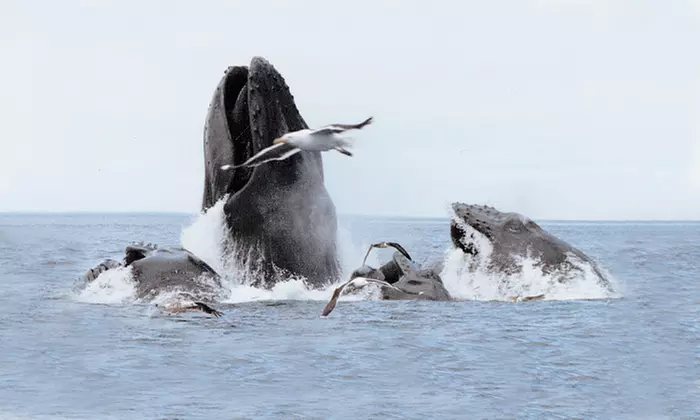

What to Know Before Booking a Whale Tour
Whale watching is one of those experiences that feels both wild and organized, which is exactly why people start Googling the best tours near you and how not to waste money. This guide walks through how whale watching works in practice, what first timers should expect, how to compare options, and where smart use of coupons and local insight can turn a big trip into great value. The goal is to help you pick a whale watching deal that is safe, memorable, and affordable, not just the first ad you see.
What Whale Watching Really Looks Like and How to Experience It
Whale watching is more than just spotting whales — it’s an authentic wildlife adventure on the water. You’ll head out on a boat with a licensed captain and trained crew to look for whales, dolphins, seabirds, and scenic coastal landscapes. Most tours depart from working harbors, so you experience real tides, weather, and wildlife instead of a controlled theme park setup. The best operators know their waters, provide clear instructions, and make sure you understand how the trip unfolds, from boarding to the final photo opportunity.
When browsing whale watching tours near you, take time to read the full description and pay close attention to the fine print. Key details to check include trip length, season dates, and additional fees. Most people searching for coastal whale watching experiences want close encounters with whales, a comfortable ride, and a schedule that fits into their day. Choosing a tour that clearly communicates these points ensures a smooth and enjoyable adventure, not just pretty photos.
Who Whale Watching Tours Are Best For
Whale watching is a versatile outdoor activity that appeals to many types of travelers. Choosing the right whale watching tour for your group ensures everyone enjoys the experience, from calm harbor trips to adventurous offshore excursions. Matching your group’s needs to the right tour matters more than finding the cheapest ticket.
- Families with children: Ideal for those who need family-friendly whale watching with easy access to bathrooms, snacks allowed on board, and clear safety instructions explained in simple language.
- Couples: Perfect for a romantic or relaxed whale watching date, often timed for sunset views and easily paired with nearby restaurants or evening local activities.
- Locals hosting visitors: Great for showing out-of-town guests an impressive wildlife experience that’s convenient, affordable, and memorable without long drives.
- Solo travelers: Best for those seeking educational whale watching tours with knowledgeable naturalist commentary, photography tips, and a chance to connect with crew and fellow passengers.
If your group includes younger children or those new to whale watching in the US, consider planning a backup indoor option nearby, such as a stop at local museums or aquariums, in case anyone gets chilly or ti
Types of Whale Watching Tours and How To Choose
Not all whale watching is the same, and the variation is exactly where both price and comfort change. Instead of only asking which tour is cheap, think through the boat type, timing, and distance from shore so you can compare options properly and pick what really fits your day.
Main styles of whale watching trips
Tour listings can be confusing, but most fall into a few clear buckets. Knowing these ahead of time helps you review the details and avoid surprises at the dock.
- Large passenger boats, more stable, with indoor seating and snack bars, ideal for big families and first timers who want comfort first
- Mid size tour boats, a balance of stability and closer to the water views, usually with fewer people and more naturalist interaction
- Fast rigid inflatables, more spray, more speed, fewer seats, best for adults and older teens who are fine with a wilder ride
- Sunset or seasonal trips, focused on golden light or peak migration, which often cost a bit more but feel special
If you see a tour that is much cheaper than others, check whether it is shorter, uses a crowded boat, or runs only mid day when the light is harsh and the water is choppier. Sometimes paying a little more for a better time slot or smaller group is the smarter decision, because it prevents needing a second trip to make up for a disappointing first experience.
Whale Watching Pricing, Deals, and How To Save on Tickets
Whale watching prices shift with season, boat type, and how long you are on the water, so it helps to look at cost in a simple structure. Expect to see different tiers for kids and adults, occasional coupons, and better deals for groups or weekday departures. Use the table below as a rough guide, then compare it with what local operators and Groupon are currently offering in your area.
| Trip type | Typical price per person | What affects cost | Ways to save |
|---|---|---|---|
| Short coastal cruise | Often under 25$, especially for kids on weekday sailings | Trip length under 2 hours, larger boats, basic commentary | Look for a coupon or weekday discount, and check if a family voucher brings the total under 50$ |
| Standard 3 hour whale watching tour | Commonly in the mid range, but still often under 50$ with deals | Peak migration season, weekend schedules, smaller group sizes | Use Groupon to compare one deal against another, focusing on reviews and what is included in the ticket |
| Premium or sunset trip | Higher, especially on holidays and peak weekends | Limited capacity, extras such as snacks or upgraded seating | Check for early season deals near you, or use coupons tied to specific departure days |
Many coastal tour companies quietly release a limited number of seats through Groupon, which can include a discount built into the ticket price so you do not have to juggle a separate coupon at the dock. If a listing highlights that the deal covers fuel surcharges and taxes, that is often great value, since hidden port fees can otherwise push a cheap option well over what you expected to pay.
How To Find Whale Watching Deals Near You
Once you know what type of trip you want, the next step is tracking down deals near you that match your timing, not the other way around. Start by searching your coastal region plus whale watching, then open only a few tabs so you can actually read the details, not twenty cluttered options. After that, layer in savings.
Groupon is a solid place to browse whale watching offers because you often see boat tours listed alongside other experiences, which helps you sense what is truly affordable in your area. If you plan a full day, pair your whale watching deal with other local kids activities or indoor attractions on the same page, which sometimes unlocks enough savings across everything that the overall trip still lands under your budget even if the boat ticket alone is not the absolute cheapest.
Top Whale Watching Spots in the US
Whale watching is one of those unforgettable outdoor experiences that appeals to families, couples, and solo travelers alike. The United States offers a range of locations where you can spot humpbacks, gray whales, orcas, and even blue whales depending on the season. Here are some of the best destinations for whale watching across the country:
- Monterey Bay, California: Famous for its year-round marine activity and calm bay waters, perfect for beginner-friendly tours.
- San Juan Islands, Washington: Known for orcas and scenic island landscapes. Peak season is May to September.
- Glacier Bay, Alaska: Ideal for seeing humpback and gray whales amid stunning glaciers. Best visited in summer months.
- Maui, Hawaii: Winter months (December to April) bring humpbacks close to shore, offering incredible photo opportunities.
- Bar Harbor, Maine: East Coast favorite, where you can spot humpbacks, finbacks, and minke whales in the Gulf of Maine.
- Cape Cod, Massachusetts: Popular for families and casual travelers, especially in summer when humpbacks migrate through Cape Cod Bay.
- San Diego, California: Southern California hotspot for gray whales during migration seasons (December–April).
| Location | Best Time to Visit | Species Commonly Seen | Notes |
|---|---|---|---|
| Monterey Bay, CA | Year-round | Humpback, Blue, Gray | Calm waters, easy tours for beginners |
| San Juan Islands, WA | May–September | Orcas, Humpback, Gray | Scenic islands, guided kayak and boat tours |
| Glacier Bay, AK | June–August | Humpback, Gray | Glacier scenery, longer day tours |
| Maui, HI | December–April | Humpback | Close shore sightings, great for photography |
| Bar Harbor, ME | May–October | Humpback, Finback, Minke | Family-friendly tours, smaller boats available |
| Cape Cod, MA | June–October | Humpback, Finback | Seasonal migration, ideal for weekend trips |
| San Diego, CA | December–April | Gray, Humpback | Close to city, accessible half-day tours |
When planning a whale watching trip, check local tour operators for peak viewing times, boat types, and special seasonal packages. Booking early can secure the best spots, especially during high season when whales are most active.
Whale Watching Safety, Quality, and Choosing the Best Operators
Whale watching is an incredible wildlife experience — but it’s also something that has to be done responsibly and safely. The best tours follow official marine life viewing rules, protect whales’ natural behaviour, and make safety and education part of the trip. Not all operators are equal, so knowing what to look for helps you avoid disappointment, risk, or tours that disturb the animals.
- Choose operators with proven safety credentials: Look for companies that display certifications like Whale SENSE (a NOAA‑backed responsible whale watching program) and that clearly state they follow local and federal marine mammal protection guidelines.
- Respect distance rules: Whale watching tours should maintain recommended viewing distances (often at least ~100 yards/300 feet from whales), both because it’s safer and because federal law protects these animals under the Marine Mammal Protection Act.
- Look for experienced crews and educational guides: A good whale watching operator employs trained captains and naturalists who explain what you’re seeing, follow responsible protocols, and help guests understand marine life behaviour without disturbing it.
- Check how operators handle safety briefings: Before departure, the crew should give a clear safety talk — including life jacket instructions and basic ocean safety — and answer questions about expected wildlife sightings and viewing practices.
- Read balanced reviews: Focus on recurring themes in mid‑range reviews rather than only the highest or lowest star ratings. Consistent mentions of patient crews, clear commentary, and respectful distances from wildlife are strong quality signals.
- Avoid operators that chase or corral whales: Good tours give whales space instead of pursuing them. Rapid speed changes, aggressive approaches, or encircling behaviour can stress animals and may violate regional guidelines.
Why this matters for you: Responsible operators not only protect whales and the ecosystem, but also make your experience more educational and predictable. A slightly higher price tag for a certified, knowledgeable, and safety‑oriented tour often results in a more enjoyable trip without last‑minute scares, rushed viewing, or disappointing encounters.
When Whale Watching Fits Best Into Your Plans
Whale watching works differently for a quick weekend than it does for a longer vacation, so it helps to plug it into your schedule early, not as a last minute filler. Morning trips often have calmer water and more focused commentary, while afternoon and sunset sailings lean more toward scenery and moody light. Pick what matters more for your group, comfort or atmosphere.
Occasions where whale watching really shines
People book whale watching for more than just checking a box on a tourist list. Sometimes it is the centerpiece of the whole trip. Sometimes it is the quiet highlight that everyone talks about months later.
- Family visits, where grandparents, parents, and kids can share one memorable activity without needing the same fitness level
- Birthdays or anniversaries, especially when paired with local nightlife or a relaxed dinner afterward along the harbor
- School breaks, when parents are hunting for outdoor activities that feel educational without sounding like homework
- Staycations for locals who have always meant to go but kept putting it off until the migration season quietly rolled past again
On busy holiday weekends, expect crowds and book earlier. Also be realistic that parking, lines, and boarding will take extra time. It's helpful to keep that in mind.
Realistic Money Saving Tips For Whale Watching Trips
There are a few consistent patterns that help people keep whale watching affordable without feeling like they are cutting corners. Some are simple timing tricks, others are smarter ways to use a voucher or deal.
First, if your schedule is flexible, try midweek mornings, when operators sometimes roll out quieter prices or bundled offers that can drop your ticket under 25$ for kids and under 50$ for adults, especially outside peak migration weeks. Second, bundle where it makes sense, a family voucher on Groupon that covers several people on one ticket can be a better deal than chasing individual coupons that may not stack, and reading the fine print before you tap buy will save you from those slightly annoying service fees that only show up at checkout.
Third, think in terms of total day cost, not just the headline ticket. Packing your own snacks if allowed, choosing parking that is a short walk but cheaper, and mixing in one or two low cost family activities from the same area can keep the overall outing affordable, even if the tour you picked was not the absolute cheapest on the list. Sometimes the least stressful plan is the most affordable over the full day.
What to Wear and What to Bring for Whale Watching
Whale watching is an unforgettable experience, but being prepared makes it much more enjoyable. The right clothing and gear help you stay comfortable, safe, and ready to catch every sighting without stress.
- Dress in layers: Temperatures can change quickly on the water. Bring a light jacket or windbreaker, and consider a fleece or long-sleeve shirt under a waterproof layer.
- Wear non-slip, closed-toe shoes: Boat decks can be wet and slippery. Sneakers or boat shoes are ideal; avoid sandals or flip-flops.
- Protect your head and eyes: A hat with a strap, sunglasses, and sunscreen are essential for sun protection. Avoid loose hats that can fly off in wind.
- Bring motion sickness remedies: If you’re prone to seasickness, take your preferred medication or ginger supplements before boarding.
- Pack small, essential items only: Water, light snacks (if allowed), a camera, or binoculars. Leave large coolers or bulky bags in the car to keep deck space clear.
- Optional extras: Lightweight gloves, a waterproof phone case, and a small backpack or fanny pack to carry personal items can make the trip more comfortable.
By wearing the right layers and bringing only what you need, you’ll be ready to move quickly when whales appear, stay warm and dry, and fully enjoy the excitement of spotting these amazing animals in their natural habitat.
Frequently Asked Questions
Whale watching is a guided boat tour where guests can spot whales in their natural environment, often alongside other marine life like dolphins, sea lions, or seabirds. Depending on the location and season, sightings might include humpbacks, gray whales, or even orcas. Most tours share helpful info throughout the trip, so it’s a mix of sightseeing and education. Many operators are respectful of the animals and follow recommended distances. It is one of the most memorable ways to connect with nature, especially for wildlife lovers.
Prices typically range from around $30 to $80 per person, depending on location, tour duration, and boat size. Some basic tours are under 50$, especially during weekday slots or off-peak times. Families or groups may be able to use a coupon or voucher for additional savings. It’s a good idea to compare operators near you to find one that offers great value with experienced guides.
Seasonal timing actually varies with region. On the West Coast, gray whale migration peaks in winter and early spring, while humpback sightings are common in summer months. For East Coast locations, late spring through early fall tends to be ideal. Checking local reviews or tour company updates can help pinpoint the best windows. Some areas even offer nearly year-round whale activity.
Yes, most operators cater to all ages and prioritize safety with Coast Guard-approved vessels, life vests, and safety briefings. Calm-water trips and shorter boat rides are especially recommended for families with young kids or older adults. Choosing a morning slot can often mean smoother waters.
Some tours may charge extra for parking, snacks, or binocular rentals. Half-day tours that promise meals or drinks might come with higher prices that aren’t always clear upfront. A quick scan of user reviews can reveal any unexpected charges. Booking through Groupon can help save on these since some deals bundle perks like snacks or gear in the voucher price.
Expect a mix of calm anticipation and awe. Most trips begin with a scenic ride out into open water, followed by bursts of excitement when a whale spouts or breaches. The crew usually offers expert commentary and helps spot animals. Dress in layers, bring sunglasses, and prepare for unexpected moments of wonder. Some boats come with heated cabins and restrooms, which is definitely a plus on longer tours. Photos don’t do justice to the real thing.
In many coastal cities, early morning slots or weekday departures are more affordable. Some tours offer basic packages under 25$ for kids or groups. Local deals on Groupon often include whale watching experiences under 50$, especially during spring or fall. These vouchers can be valid for top-rated charters, making them a good place to find a great value option near you.
First-timers often do well with shorter trips on stable, covered boats. Look for tours with naturalist guides and plenty of positive review comments about crew helpfulness. Companies offering flexible rebooking or on-board amenities can ease nerves. For a stress-free start, beginners might also appreciate going with a friend who’s done it before or reading up on customer tips beforehand to know what to expect.