

Skydiving in and near Phoenix, AZ
Deals on skydiving in Phoenix make it easier to turn a bucket list idea into a real jump over the desert. Expect tandem experiences with certified instructors, panoramic views of the Valley, and the rush of freefall followed by a peaceful parachute ride. Some offers include indoor skydiving sessions that mimic freefall in a vertical wind tunnel. Packages often bundle photos or video, so you can relive that first leap long after landing. Flexible booking and seasonal pricing help you choose a jump that fits your budget and schedule.

3 deals
That’s All for Now
Check back later for updated deals.
Check out these similar deals
Skydiving in Phoenix is not just about leaping out of a plane, it is about decoding a handful of real choices and their costs so you know exactly what you are paying for before you ever leave the ground, and matching those choices to how you want your day and budget to look. Between quick-to-reach drop zones south of town and bigger destination centers a bit farther out, the Phoenix skydiving market gives you options, from straightforward tandems to full training pathways and indoor alternatives.
What skydiving near Phoenix really costs
Across reputable operators serving Phoenix, tandem skydiving prices typically run from about $219 to $259 for a standard jump, with some premium high-altitude options climbing to around $499 per person. Budget-focused centers closer to the metro lean on headline prices in the low $200s, often with separate fees for booking and photo or video. Larger destination drop zones that pull jumpers from Phoenix and Tucson sit closer to the upper $200s but make that up in aircraft size, on-site amenities, and more advanced training programs.
Expect photo and video packages in the $100 to $150 range, sometimes more for multi-angle coverage. When you compare offers, check whether the advertised cost is the total you will pay for the altitude you want, or a base rate that increases if you decide to go higher once you arrive. Locals who try to shave down the price by chasing coupons or flash deals often end up right back in the same range after booking fees and upgrades are added.
In practical terms, most first-time tandem skydivers near Phoenix pay somewhere between the low $200s and mid $200s for the jump itself, plus around another hundred dollars if they add photos or video. High-altitude or specialty options can push the total closer to the high $400s per person, so it helps to decide up front whether extra freefall time is worth the premium.
Key options for skydiving in the Phoenix area
The Phoenix area skydiving scene is dominated by a few main formats:
- Tandem skydiving near Phoenix, the classic first jump where you are clipped to an instructor
- Progressive training to learn to skydive solo, often starting after one or two tandems
- Indoor skydiving in Phoenix for wind-tunnel bodyflight without the airplane ride
Drop zones south of Phoenix trade on convenience from places like Midtown or Arcadia, where you can leave after breakfast, clear I‑10 traffic, and still be back in the city for an evening game at Footprint Center. The bigger skydiving complexes between Phoenix and Tucson tend to draw people who want more than a one-off bucket list jump and are willing to drive a bit longer for deeper options.
How to choose a skydiving center near Phoenix
When you compare skydiving centers near Phoenix, the first big decision is whether to stay close to town or drive a bit farther toward established skydiving corridors between Phoenix and Tucson. Closer options west and south of the city cut down your drive and make same-day plans easier, while larger destination-style drop zones near places like Eloy or Casa Grande often offer bigger aircraft, higher altitudes, and more extensive training programs.
For any center you consider, look for USPA membership, clearly listed age and weight policies, transparent pricing by altitude, and recent reviews that mention both safety and customer service. It also helps to check what type of aircraft they fly, how many jumps they plan per load, and whether they outline an expected time on site so you can match the experience to your schedule.
If you know this is a one-time bucket list jump, a convenient, well-reviewed tandem-focused operation may be the best fit. If you are already thinking about learning to skydive or coming back regularly, it can be worth the extra drive to a larger complex that combines tandems, formal training, and amenities that make a full day at the drop zone more comfortable.
Standard tandem vs high-altitude experiences
Most first timers choose a standard tandem from roughly 10,000 to 14,500 feet, which gives about a minute of freefall and a few minutes under parachute with desert and skyline views. Prices here usually fall between $219 and $259, depending on which operator you choose and how close you stay to town. High-altitude tandems that run closer to 18,000 feet and include supplemental oxygen are a niche upgrade, almost always priced in the high $400s.
The high-altitude option makes sense if you care most about maximum freefall time and are comfortable paying an almost luxury-level premium. For anyone simply wanting that first leap over the Sonoran desert, a standard tandem is still the best value per dollar spent.
- Choose a standard tandem if you mainly want to check skydiving off your list at a reasonable price.
- Pick a high-altitude jump if you are chasing the longest possible freefall and do not mind paying extra for it.
- Lean toward standard altitude if you are budget-conscious or booking for a group and want costs to stay predictable.
Indoor skydiving as a lower-commitment first step
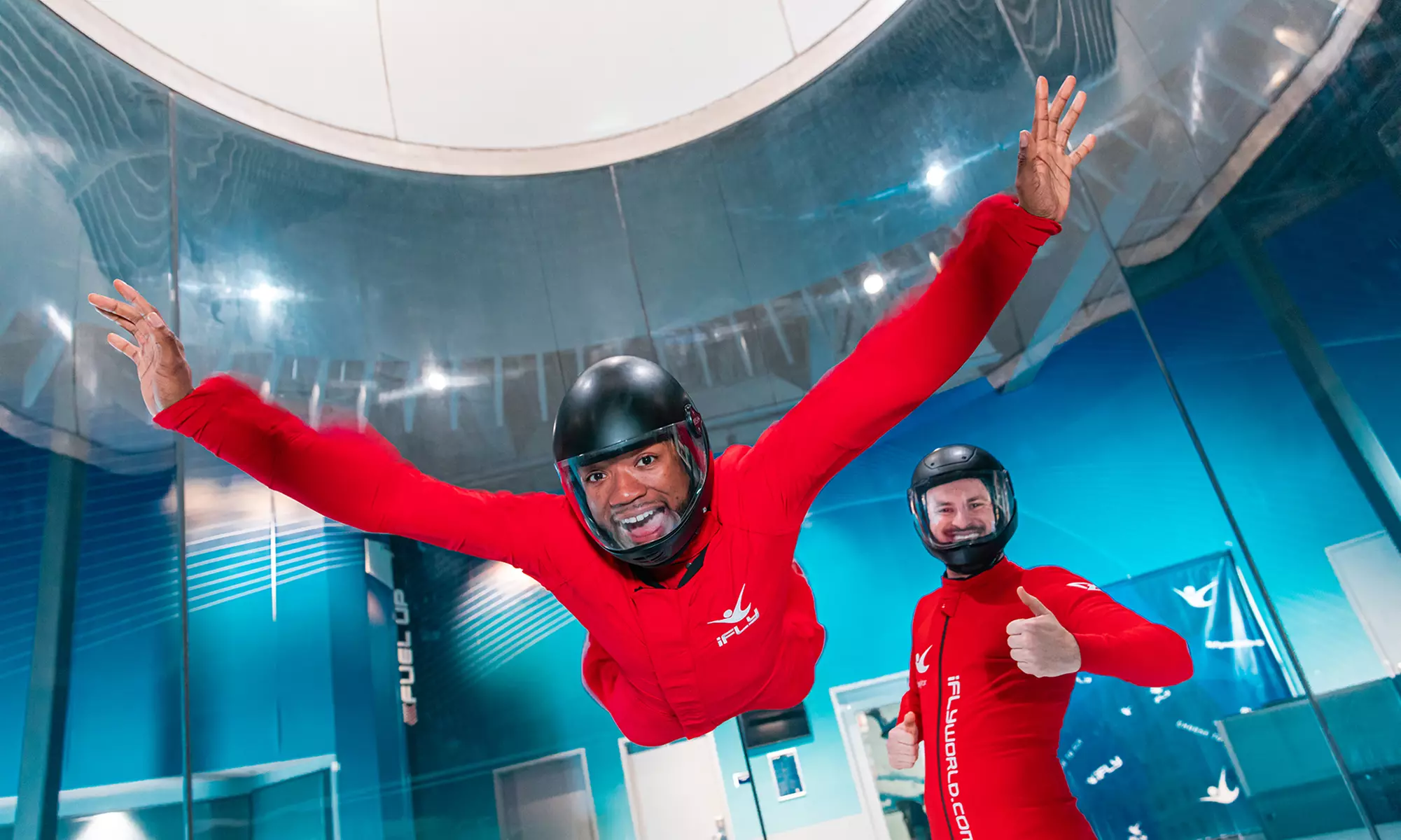
If you like the idea of flying but are not ready to step out of a plane, indoor skydiving around Phoenix gives you 60 to 120 seconds of coached bodyflight per session in a vertical wind tunnel, with no weight belts, no aircraft noise, and no weather delays. Pricing can look high per minute at first glance, but you are paying for coaching attention and repeatable practice, not fuel and altitude. Many people from Uptown or the Biltmore area treat it as a quick evening outing, then decide later whether a full skydive makes sense for them.
How long skydiving in Phoenix really takes
For a tandem jump, plan to be on site for 2 to 4 hours from check-in to wrap-up. The actual freefall lasts under 90 seconds, but the rest of your visit covers waivers, safety briefing, gearing up, the climb to altitude, and waiting on weather or air traffic. This is why most locals from Roosevelt Row or Downtown Phoenix block off half a day and avoid scheduling tight commitments right after their jump.
- Check-in and waivers
- Safety briefing and training
- Gearing up and waiting to board
- Plane ride to altitude
- Freefall and parachute ride
- Landing, gear return, and any photo or video review
Indoor skydiving runs shorter, often with 45 to 90 minutes on site from arrival through flight training and debrief. That shorter timeline works well if you want to pair it with other high-adrenaline activities like zipline experiences around the Valley without losing a full day.
Safety, age, and weight limits in the Phoenix market
Reputable skydiving centers serving Phoenix rely on USPA-rated instructors, modern tandem gear, and regular aircraft maintenance. Operations pause for desert winds that get unpredictable by afternoon in peak summer or for passing storms in winter. That is one reason morning bookings are prized, especially once temperatures rise and turbulence builds over South Mountain Park and Preserve.
Expect a minimum age of 18 with a government-issued photo ID and typical tandem weight limits between 210 and 230 pounds, sometimes with surcharges near the upper end. These caps are driven by harness fit and parachute performance, not discretionary preference, so there is little room for negotiation. If you are near the limit, ask about their exact policy before locking in a nonrefundable booking.
Do you need a reservation
Yes, you should plan to reserve your tandem skydive near Phoenix in advance, especially for weekends and peak spring dates, because most centers do not accept true walk-ups.
Walk-ups are uncommon for skydiving near Phoenix, particularly on spring weekends when the weather is clear, baseball is in town, and out-of-state visitors push demand up. Most centers require or strongly prefer reservations, with fees paid ahead of time to hold your slot. This protects you from sitting all day waiting for space and lets the operation manage aircraft loads efficiently.
Indoor skydiving has more flexibility, but prime-time evenings and weekends still fill quickly, much like limited-capacity hot air balloon outings. If your date is fixed, treat skydiving like any other high-demand Phoenix activity and book early.
What influences tandem skydiving prices near Phoenix
Price differences between operators rarely come from cutting corners on safety. Instead, they are usually driven by:
- Altitude higher jumps cost more to operate
- Aircraft type small Cessnas versus larger turbine planes
- Media packages basic hand-cam versus professional outside camera
- Facilities from minimal to full-service skydiving complexes
- Drive time from Phoenix closer does not always mean cheaper
Some locals keep base costs down by going for a standard altitude, skipping video, and driving a little farther. Others are happy to pay more for a big-plane experience that feels like a full-day escape, similar to splurging on scenic flight tours instead of a short hop around town. The right choice depends on whether this is a lifetime one-off, an annual adventure, or your first step toward a license.
Using deals and gift cards wisely
Coupon-style deals, including occasional local offers and skydiving gift cards around Phoenix, can shave some cost off a weekday jump or help you prepay for a friend. Just read the fine print closely. Check blackout dates, rescheduling rules during monsoon season, weight surcharges, and whether photo or video is discounted or still full price. Many people treat a discount as permission to upgrade their experience, then commit to a full training package or other adrenaline options like performance driving once they find they love the feeling of speed.
Deals tend to work best if your schedule is flexible enough to fly on weekdays, in shoulder seasons, or at off-peak times when demand is lower. Instead of chasing the lowest headline price, compare the total cost after booking fees, weight surcharges, and media add-ons so you know which offer actually saves you money.
From first tandem to learning to skydive in Phoenix
If you walk away from your first tandem buzzing and want to earn your license, several drop zones that serve Phoenix offer structured training. Expect a ground school, a series of coached jumps, and eventual rental or purchase of your own gear. Full license programs usually land somewhere between $3,000 and $4,000 before equipment. It is a serious investment, which is why many people test the waters with one or two tandems and, sometimes, a block of tunnel time before they commit.
A typical program follows a level-based progression with around half a dozen to a dozen training jumps spread over a few weeks or months, depending on your schedule and the weather. You start with instructor-assisted exits and in-air coaching, then gradually take on more responsibility until you are cleared to jump on your own and begin logging the additional jumps needed for a full license.
Using indoor skydiving alongside your outdoor training can bring overall costs down by making each jump more productive. Stronger body control in the tunnel means fewer repeated levels outside, similar to how seasoned hikers use shorter conditioning sessions closer to Camelback Mountain so that their big summit days feel easier.
Matching skydiving to your Phoenix day
To get the best mix of cost and comfort, line up your jump with the way Phoenix actually behaves. In summer, choose early morning slots to avoid peak heat and desert turbulence, then cool off with an afternoon indoors at the Heard Museum or a shaded cafe in the Coronado Historic District. In winter and spring, expect higher demand and more visitors, so build skydiving into a full adventure plan that might also include a helicopter ride above the city or other high-view experiences.
If you are planning for someone else, such as a birthday surprise or graduation gift, think of skydiving in the same category as other premium experiences. Some choose a tandem jump for the high-impact moment, then a more relaxed follow-up like aerial sightseeing later in the year. Phoenix makes it easy to mix and match, as long as you respect the heat, the traffic patterns on I‑10 and Loop 202, and the fact that a truly unforgettable jump is rarely the cheapest line item on the page.
Alternatives and add-ons for thrill seekers
Even if you ultimately decide a full outdoor skydive is not for you, the Phoenix area still offers plenty of altitude and adrenaline. Indoor skydiving pairs naturally with other high-up experiences, and you can build a full weekend around a tunnel session, an evening event downtown, and a relaxed morning at the Desert Botanical Garden. For people who like variety, rotating between skydiving, desert air tours, and other aerial experiences keeps the novelty high while letting you manage cost over time.
How much does it cost to skydive near Phoenix? Most first-time tandem skydives near Phoenix cost in the low to mid $200s per person for a standard jump, with photo and video packages adding another $100 to $150 and high-altitude upgrades reaching the high $400s.
How long will my skydiving day take? Plan on being at the drop zone for about 2 to 4 hours from check-in through landing, plus drive time from Phoenix, while indoor skydiving usually fits into a 45 to 90 minute visit.
What are the age and weight limits for skydiving near Phoenix? Outdoor tandem skydiving near Phoenix almost always requires you to be at least 18 with a valid ID, with typical weight limits in the 210 to 230 pound range, plus possible surcharges near the upper end; indoor skydiving often allows younger flyers with separate age and size guidelines.
Is indoor skydiving cheaper than outdoor skydiving in Phoenix? Indoor skydiving can cost less per visit than a full outdoor tandem and is easier to fit into a weekday or evening, but minute for minute it is priced more like coached training, while outdoor skydiving bundles the aircraft ride, altitude, and full jump experience into one higher-ticket event.
When you weigh Phoenix skydiving options through the lens of price, the pattern is consistent. The true decision is not simply how low you can drive the number, but how you balance budget with distance, altitude, time on site, and your longer-term goals. Once you are clear on those, choosing between a local tandem, a destination drop zone, or an indoor session becomes a straightforward call rather than an overwhelming comparison of packages and promos.
Frequently Asked Questions
Tandem skydiving near Phoenix usually costs around $200 to $260 per person, with many local drop zones pricing standard jumps at about $219 to $249 before add-ons. Deals on Groupon or seasonal sales at places like Skydive Phoenix, Skydive Buckeye, and Phoenix Skydive Center can sometimes bring that closer to $170 to $220.
First-time tandem jumpers near Phoenix usually head to Skydive Phoenix in Maricopa, Skydive Buckeye west of the city, or Phoenix Skydive Center near Casa Grande. All three are within roughly a 30 to 45 minute drive of central Phoenix and focus heavily on beginners with instructor-guided tandem experiences.
Skydiving near Phoenix is designed to be very safe for first-timers because you are harnessed to a highly trained instructor using modern gear and FAA-inspected aircraft. Reputable drop zones such as Skydive Phoenix, Skydive Buckeye, and Phoenix Skydive Center follow USPA guidelines and specialize in tandem jumps for newcomers.
Most skydiving centers near Phoenix require you to be at least 18 with a valid ID and have upper weight limits in the 210 to 270 pound range, depending on the location. For example, Phoenix Skydive Center lists a 210 pound max, while Skydive Phoenix often accommodates guests up to about 230 to 270 pounds with prior approval.
A typical tandem skydive near Phoenix takes about 2 to 4 hours on-site, including check-in, safety briefing, gearing up, and waiting for your aircraft. The actual jump is much shorter, with roughly a 15 to 25 minute plane ride, around a minute of freefall, and a 4 to 7 minute parachute glide.
Skydiving near Phoenix usually delivers wide-open desert vistas with clear views of the Phoenix skyline and surrounding mountain ranges. At places like Skydive Phoenix you can often see Camelback Mountain and Four Peaks, while Skydive Buckeye features views toward the White Tank and Estrella mountains on clear days.
Yes, people in the Phoenix area often use Groupon to find limited-time tandem offers and gift-friendly packages for Skydive Phoenix, Skydive Buckeye, and iFLY indoor skydiving in Scottsdale. Many local operators also sell their own digital or physical gift certificates for single tandems or dollar-value credits that can be used toward a jump.
Indoor skydiving near Phoenix is available at iFLY in Scottsdale, where a vertical wind tunnel simulates freefall without an airplane or parachute. The standard experience typically includes a brief training class and two short flights, making it a popular warm-up before booking a full outdoor tandem skydive.