


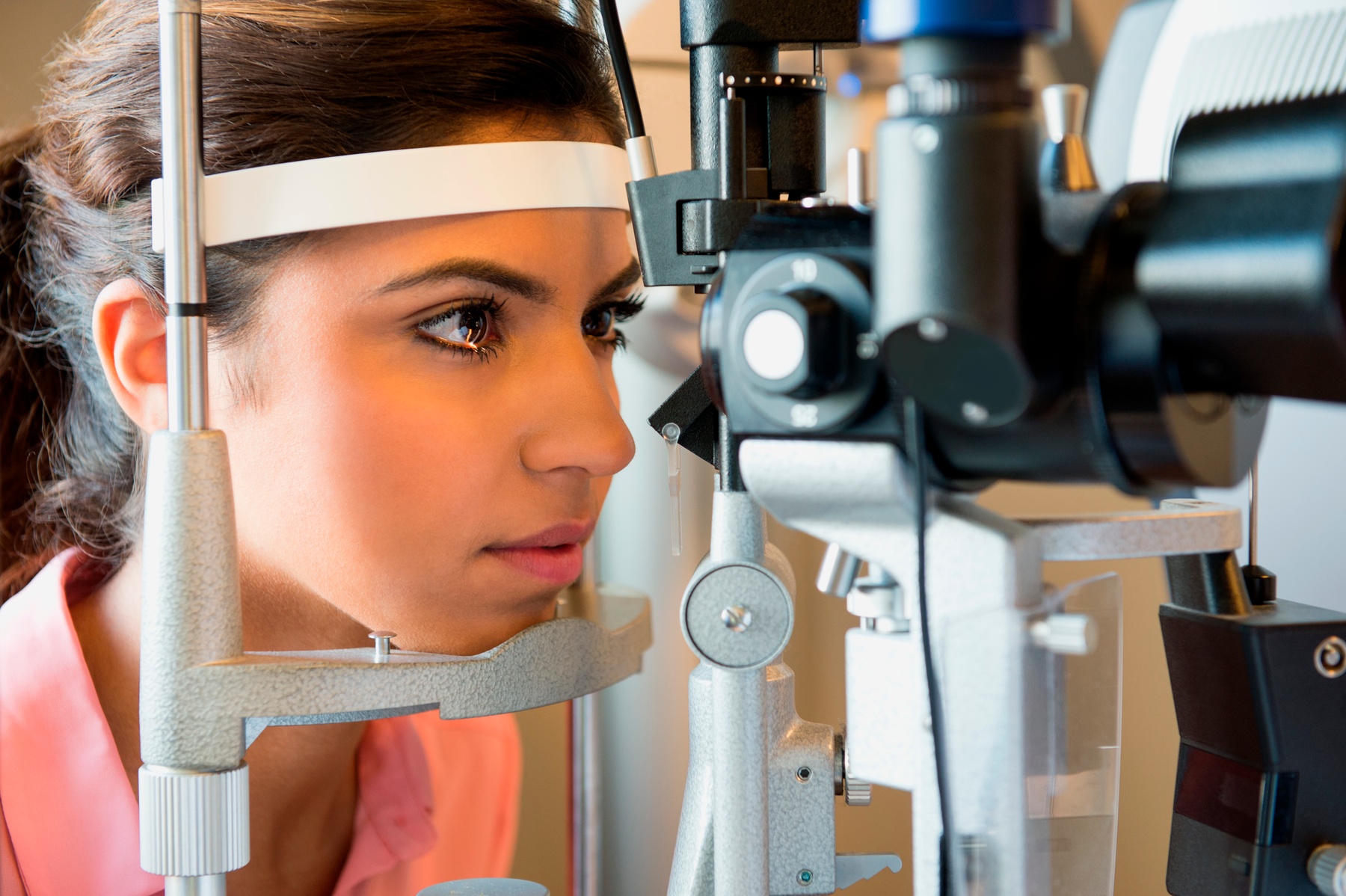


Eye Exam in and near Houston, TX
Routine eye exams in Houston support clear vision and overall eye health with services tailored to your age, prescription needs, and lifestyle. Local providers offer a range of options from standard vision checks to comprehensive evaluations that include glaucoma screening, contact lens fitting, and digital eye strain assessments. Transparent cost information and available offers help you compare pricing, choose qualified optometrists, and schedule appointments that fit your routine and budget.
40+ deals


Eye exams in Houston are not one-size-fits-all, and the local market reflects that. From quick vision checks inside big-box stores to 40‑minute medical evaluations in Montrose or the Galleria, what you pay and what you get can look very different. If you live off Westheimer, commute from The Heights, or work downtown, choosing the right type of exam has more impact than simply picking the closest option on your map.
Types of eye exams in Houston and who they are for
Comprehensive eye exam Houston providers typically focus on both vision and eye health. These are suited for adults who wear glasses or contacts, anyone with headaches, screen strain, or a family history of glaucoma, and patients who have not had an exam in several years.
Basic or "cheap" eye exams in retail settings focus mainly on updating your prescription. They can work if you are younger, healthy, and primarily need a quick glasses check, but they usually involve less time and fewer tests.
Pediatric eye exams are tailored to how children communicate and cooperate. A children’s eye exam in Houston often uses picture charts, age‑appropriate testing, and extra time to keep things calm for the child and the parent.
Diabetic and senior eye exams include additional imaging and dilation to check for retinal damage, cataracts, and macular changes. These visits are common in areas like the Medical Center, where many patients are referred by primary care or endocrinology clinics.
Contact lens exams add corneal measurements, lens fitting, and follow‑up care. If you are switching from glasses to contacts, plan for a longer visit and a slightly higher cost than a glasses‑only exam.
Typical eye exam costs in Houston
Without insurance, most comprehensive eye exams in Houston fall between $100 and $200 at independent optometrists, with some premium clinics charging more when advanced imaging is bundled into every visit. Large chains and warehouse clubs may start closer to $70 to $90 for a basic exam, while a separate contact lens fitting often adds $50 to $125, depending on lens type and complexity.
Across Texas, the low end for an eye exam can be around $50, while higher‑end visits with more technology can reach $250 or more. In practical terms, most Houston residents who choose a mid‑range, comprehensive exam end up near $140 to $180 for glasses, before insurance or promotions.
With vision insurance, typical copays for an annual eye exam Houston providers charge often land in the $10 to $40 range, especially when you stay in network. Medical plans may cover diabetic, glaucoma, or urgent eye visits as part of your health benefits.
How different provider types usually price exams
| Provider type | Typical exam focus | Approximate price range* | Best fit for |
|---|---|---|---|
| Retail / big‑box optical | Quick prescription update, limited health testing | $70 to $140 | Budget shoppers, healthy adults needing new glasses |
| Independent optometrist | Comprehensive refraction and eye health | $120 to $220 | Most adults, contact lens wearers, mild medical issues |
| Medical center / ophthalmology | Medical eye disease, complex conditions | $180 to $300+ | Diabetes, glaucoma, cataracts, referrals |
| University / teaching clinic | Full exams, often longer visits | $90 to $180 | Patients seeking advanced testing with moderate cost |
*Prices are typical local ranges, not guarantees. Individual practices in Houston may charge outside these bands.
Choosing the right type of exam for your situation
If you spend long days on screens downtown and only notice mild blur at night, a comprehensive eye exam with digital imaging is usually the safest starting point. Your doctor can catch early dry eye, computer‑related strain, and subtle prescription changes that quick screenings miss.
Parents in neighborhoods like Meyerland and Montrose often schedule a dedicated pediatric eye exam rather than relying on school screenings. School checks are brief and mainly catch high prescriptions, not focusing or tracking issues that affect reading and classroom performance.
For anyone with diabetes, high blood pressure, or family history of glaucoma, prioritizing a diabetic eye exam with dilation and retinal photos is important. In Houston’s heat and high UV exposure, long‑term eye health is a real factor, especially if you drive frequently on I‑10, 610, or the Southwest Freeway at peak glare times.
Same day, walk in, and emergency eye exam options
Many eye doctor Houston TX offices reserve a few same‑day spots for urgent problems such as sudden vision changes, eye pain, or flashes and floaters. These time slots book quickly on stormy days when allergies and infections spike, so calling early in the morning helps.
Walk in eye exams are more common in big retail stores and some strip‑center clinics along Westheimer and in the Galleria area. They work well for basic glasses checks but are less predictable for medical issues that need longer testing or follow‑up.
For a true emergency eye exam Houston residents with severe pain, chemical exposure, or sudden vision loss are typically sent to emergency departments or 24‑hour medical centers if no urgent slot is available with an optometrist or ophthalmologist.
What is usually included in a comprehensive eye exam
- Case history and lifestyle review to understand work, driving, and screen habits.
- Refraction to determine your glasses or contact lens prescription.
- Eye coordination and focusing tests that pick up subtle issues affecting reading and computer work.
- Slit‑lamp examination to inspect the front of the eye for dryness, allergies, or infections.
- Retinal evaluation with dilation and, at many practices, digital photos or OCT scans.
Children’s eye exam protocols add age‑appropriate charts, depth perception testing, and closer tracking of how the eyes work together during near tasks.
How to keep costs reasonable without cutting corners
If you are searching for a cheap eye exam Houston residents often start by checking what their insurance covers and which providers are in network. Knowing your copay, whether imaging is included, and how often your plan allows exams can prevent surprise bills a month later.
Some Houston clinics offer bundled pricing when you combine your exam with glasses or annual contact lenses, similar to how larger medical practices structure medical offers across the city. This can make a higher‑quality exam more affordable if you already plan to update eyewear.
Locals who manage multiple wellness expenses sometimes look at health and fitness package savings, including health and fitness deals, to keep more room in the budget for annual vision care.
For patients with specific dietary or blood sugar goals, working with a Houston nutritionist can indirectly protect eye health, since good diabetic control lowers the risk of retinal damage over time.
Those interested in complementary care for headaches or chronic eye strain occasionally consider natural medicine options alongside regular exams, especially when symptoms overlap between vision and general wellness.
How often Houston residents should get an eye exam
Adults with no symptoms usually benefit from an eye exam every one to two years, with yearly visits once you reach your 40s or start noticing near‑vision changes.
Children are often seen before kindergarten, then every year during school age, since prescriptions and focusing abilities can change quickly with growth spurts and more screen time.
Patients with diabetes, glaucoma risk, or previous eye disease are commonly scheduled at least once a year, sometimes more often, depending on test results and medication use.
Location, traffic, and practical booking decisions
In Houston, commute friction matters. A practice that looks ideal online but sits across town in rush hour traffic can be difficult to reach for follow‑ups. Choosing an optometrist in Montrose if you live nearby, or close to the Galleria if you work along Westheimer, often means you are more likely to keep regular appointments.
Parking and building access also influence the experience. A ground‑level clinic in a small center near The Heights may feel easier on a humid August afternoon than navigating a large garage and elevators if you have kids in tow or mobility challenges.
When you compare options, focus on three things: whether the provider offers the exam type you need, if their pricing or copay is clear before you arrive, and how realistic it is for you to get there on time and return for any follow‑up testing.
Once you match those factors to your own schedule and health needs, booking an eye exam in Houston becomes a straightforward decision rather than another open‑ended search.
Frequently Asked Questions
In Houston, a standard comprehensive eye exam without insurance usually costs between $100 and $200 at most private optometry practices, with some basic exams at large chains advertised as low as about $70 to $90. Independent clinics that include more advanced imaging and longer visit times often list prices in the $150 to $200 range, especially in busy areas like the Galleria or inner-loop neighborhoods. Your total can be higher if you add digital retinal photos, contact lens fitting, or specialty testing, which can add $30 to $150. Many Houstonians lower their out-of-pocket cost by watching for seasonal promotions or using occasional Groupon vouchers, especially if they are flexible about location.
With vision insurance, most Houston patients pay a copay of about $10 to $40 for a comprehensive eye exam, and some plans cover the exam at 100 percent. Many employer plans treat the annual eye exam as preventive care, so you might only see a small copay even at higher-end practices that normally charge $150 to $200. If you have diabetes, high blood pressure, or glaucoma risk, your medical insurance may cover a medically necessary exam instead of your vision plan. The key is to confirm whether your eye doctor is in-network and whether imaging like retinal photos is included or billed separately before you book.
Most adults in Houston should have a comprehensive eye exam every 1 to 2 years, while children, seniors, and people with health conditions often need yearly visits. Optometrists commonly suggest annual exams if you wear glasses or contacts, have diabetes or high blood pressure, or have a family history of glaucoma or macular degeneration. Healthy adults with no vision issues may be fine with an exam every 2 years, but Houston’s strong sun exposure and higher local diabetes rates make regular checks especially important. Kids are typically seen once between ages 3 and 5, again before starting school, then every year or two as they grow.
A comprehensive eye exam in Houston generally includes checking your vision prescription, evaluating eye health front to back, and screening for conditions like glaucoma, cataracts, and diabetic retinopathy. Most exams start with a detailed history, followed by visual acuity testing, refraction to fine-tune your glasses or contact lens prescription, and eye pressure measurement. Your eye doctor will usually examine your cornea, lens, retina, and optic nerve using a slit lamp and dilated or wide-field retinal view. Many Houston clinics now add digital retinal photography or OCT scans, especially for patients with diabetes or over 40, to catch silent problems early.
To find an affordable eye exam in Houston, many residents compare prices between warehouse clubs, retail optical chains, and neighborhood optometrists that advertise self-pay specials. Big-box and chain locations around popular shopping areas often promote basic exams in the $70 to $100 range, while independent clinics may run new-patient deals that bring a normally $150-plus exam closer to that level. Student clinics connected to optometry programs and some community health centers can be lower cost for those who qualify. Locals who do not have insurance sometimes use Groupon or other limited-time vouchers to get discounted exams, especially if they are open to traveling a few extra miles.
Same day and walk-in eye exams are available in Houston, but your options are best at busy retail optical stores and some private practices that reserve slots for urgent visits. Many locations in major shopping corridors offer walk-in exams for glasses or contact lens updates, especially on weekends, although you may wait longer without an appointment. Independent optometrists sometimes allow same day bookings if you call early, particularly for emergencies like sudden vision changes, red eyes, or lost contacts. If timing is critical, search specifically for same day eye exam Houston and call ahead to confirm availability before you drive over.
Pediatric eye exams in Houston are offered by many family optometrists, pediatric-focused practices, and larger ophthalmology groups with children’s clinics. Most parents schedule kids’ exams at offices that clearly list pediatric or children’s eye exam services, often near family neighborhoods or major school districts for convenience. These visits usually include child-friendly vision testing, depth perception and eye alignment checks, and screening for amblyopia and focusing problems that can affect reading and classroom performance. Some offices also work closely with pediatricians and accept a wide range of insurance plans, so you can coordinate your child’s annual physical and eye checkup in the same season.
Houston has many eye doctors who focus heavily on diabetic and senior eye exams, especially in larger multi-doctor practices and medical centers. For people with diabetes, clinics routinely offer dilated retinal exams and advanced imaging to monitor for diabetic retinopathy and macular changes, often billed to medical insurance. Seniors aged 65 and older can find dedicated visit types that emphasize cataracts, glaucoma, macular degeneration, and medication side effects, sometimes branded as senior eye exam services. If you live near a major hospital corridor or established medical district, you will typically find ophthalmologists and optometrists who manage complex eye disease as well as routine glasses prescriptions.